Here are a few tips and ideas for transforming your home into an eco-friendly haven.
The product life cycle: A responsible choice
Before you buy a decorative object, think about its life cycle. Consider the product's lifespan, recyclability and environmental impact from production to end-of-life.
Durability: Opt for products that have a long service life and can be easily repaired rather than replaced.
Recyclable: Choose materials that can be recycled or composted, minimizing their environmental impact at the end of their useful life.
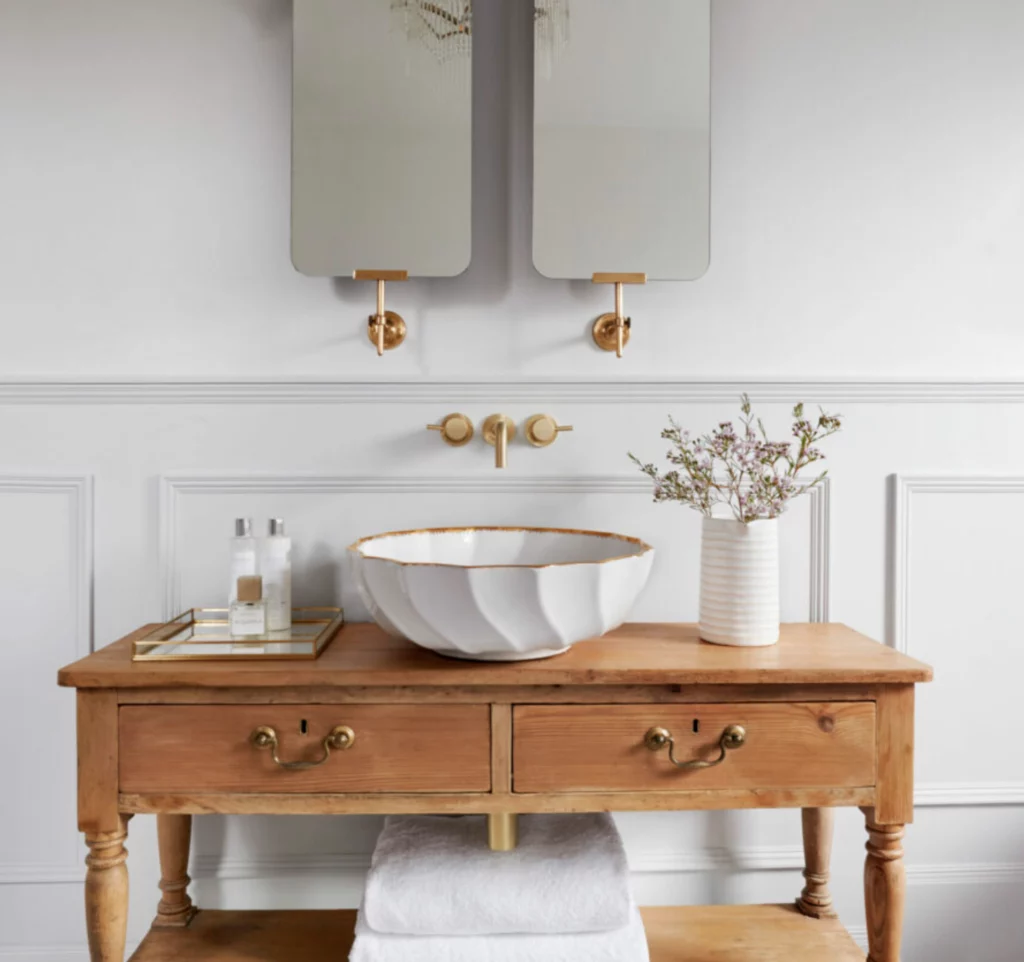
Furniture makeovers: An old chest of drawers can be transformed with a little eco-friendly paint and new handles. Not only do you reduce waste, you also create a unique piece.
Vintage accessories: Vintage objects add character to your interior while being a sustainable choice. Think of old suitcases transformed into side tables or wooden crates as shelves.
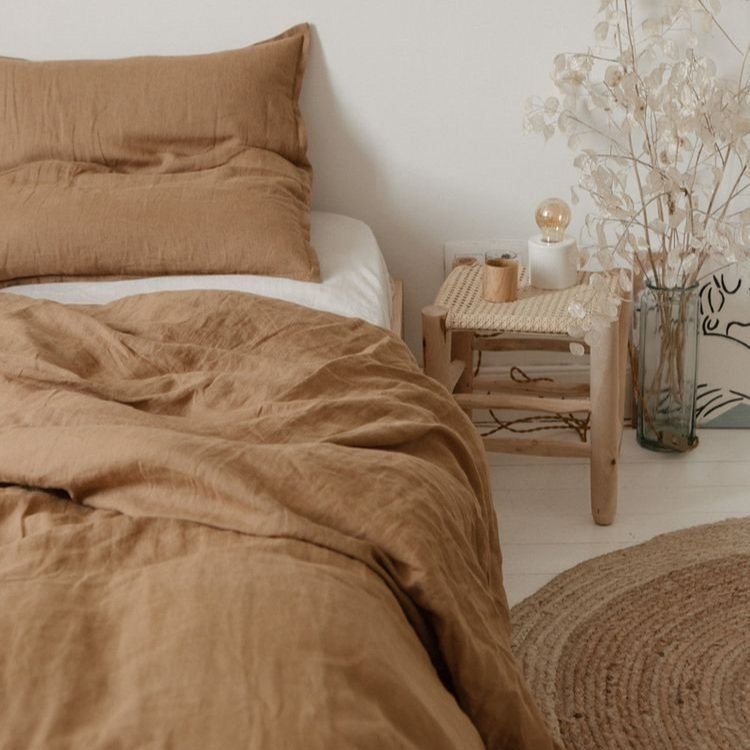
Natural and sustainable products
Opt for natural, sustainable materials that minimize your ecological footprint. These materials are often not only more environmentally friendly, but also healthier for you and your family.
FSC-certified wood: Wood certified by the Forest Stewardship Council (FSC) guarantees sustainable forest management. Use it for your furniture and flooring.
Natural fibers: Linen, organic cotton, jute and bamboo are excellent choices for textiles. They are renewable and biodegradable.
Eco-friendly paints: Choose paints with low VOC (volatile organic compound) content to limit emissions of toxic substances into the air.
Indoor plants: Decoration and purification
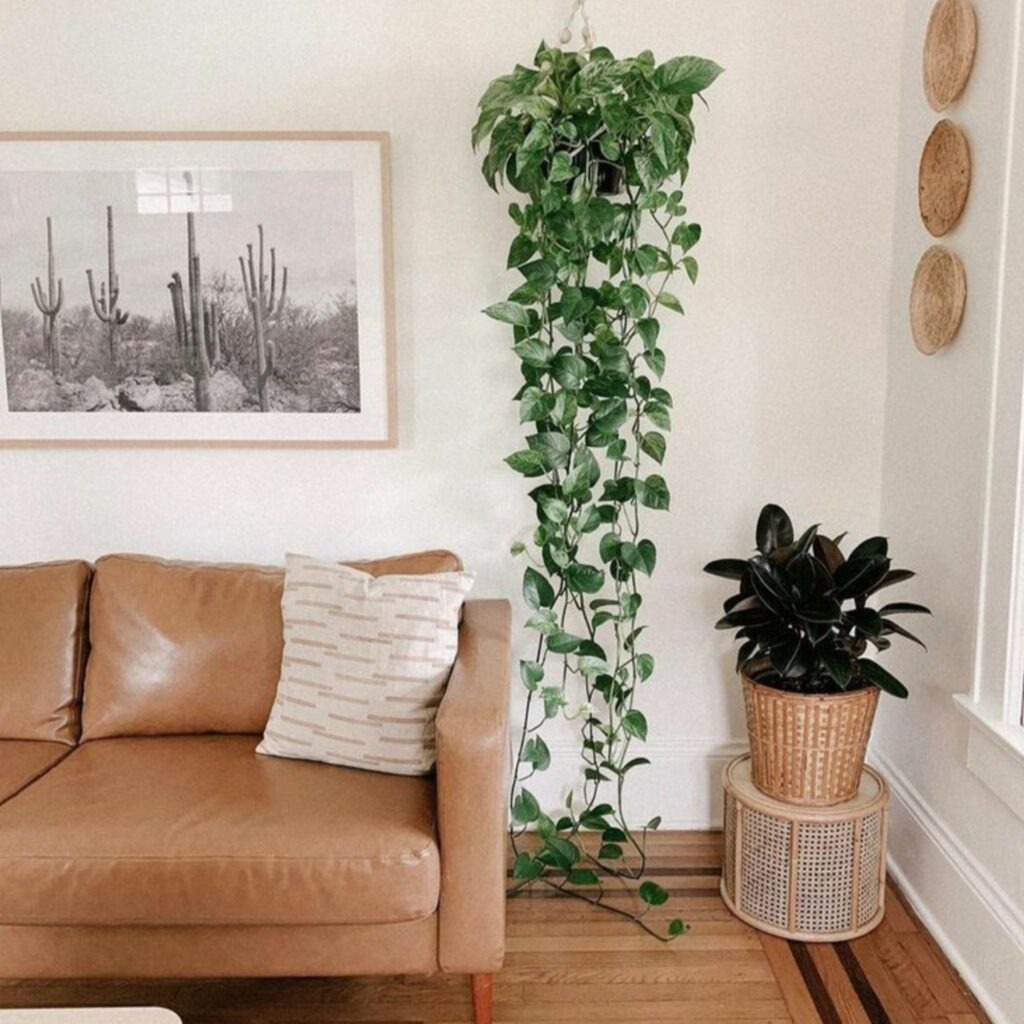
Houseplants are a great way to bring nature into the home and improve air quality. They provide soothing greenery and can even have purifying properties.
Depolluting plants: Ivy, pothos, Boston fern and spathiphyllum are known for their ability to filter toxins from the air.
Vertical garden: If you're short of space, opt for a vertical garden. It can be installed on a wall and offers an innovative way of greening your interior.
Local, ethical craftsmanship
Support local, ethical craftsmanship by choosing decorative objects handcrafted by local artisans. This promotes the local economy and reduces carbon emissions linked to transport.
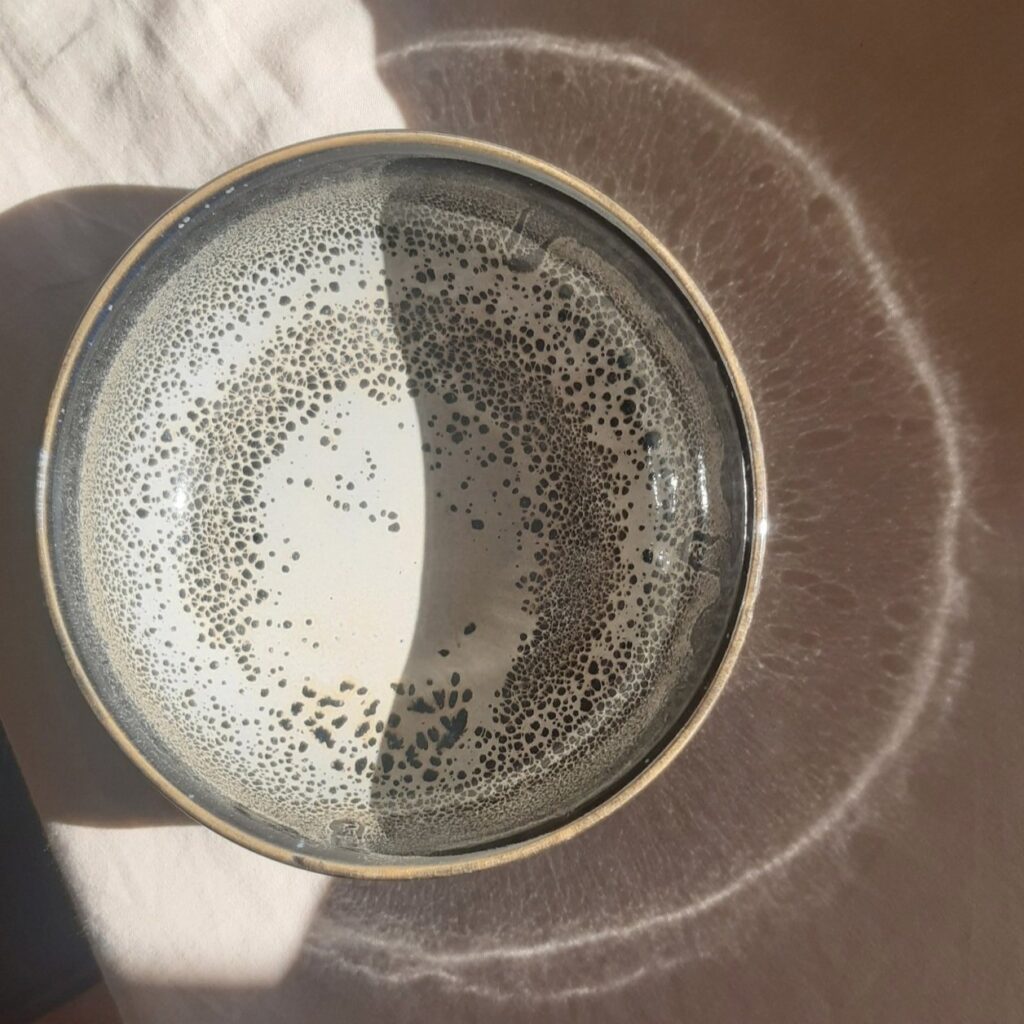
Hand-crafted ceramics: From tableware to decorative objects, hand-crafted ceramics add a unique, personal touch to your home.
Janine Sigrist, based in Etoy
Handmade textiles: Handwoven rugs, embroidered cushions and knitted blankets bring warmth and authenticity to your décor.
Reducing energy and waste
Eco-friendly decoration also means efficient energy and waste management.
LED lighting: Replace your bulbs with LEDs. They consume less energy and last longer.
Composting: If you have a garden, install a composter to recycle your organic waste. This reduces waste and produces excellent fertilizer for your plants.
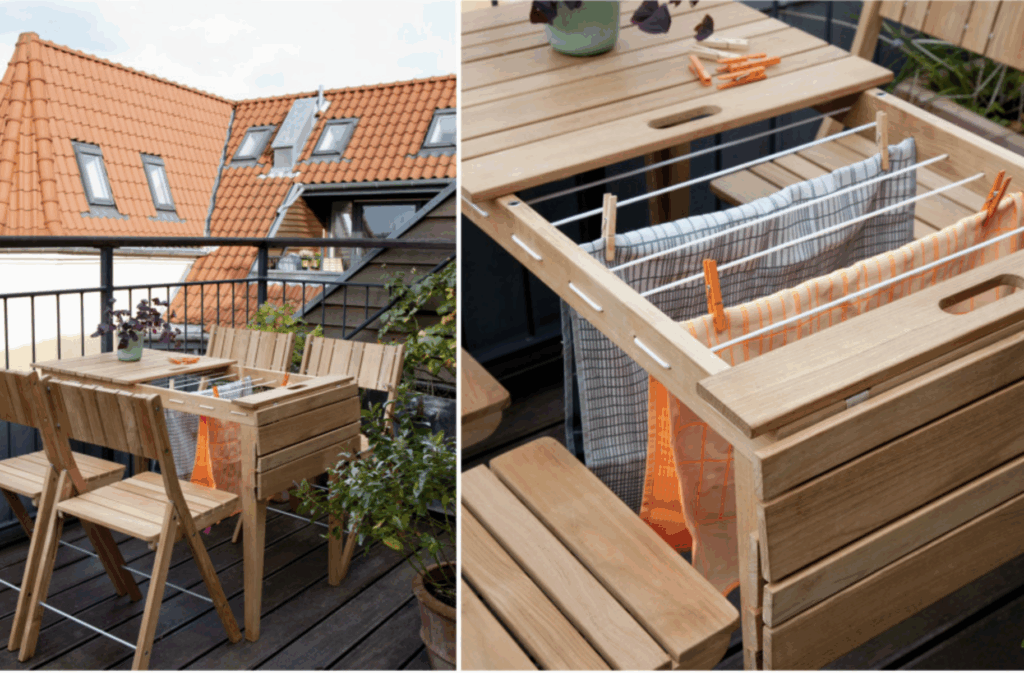
Modular furniture: Invest in modular furniture that can be easily rearranged or reused for different purposes, reducing the need for new purchases.
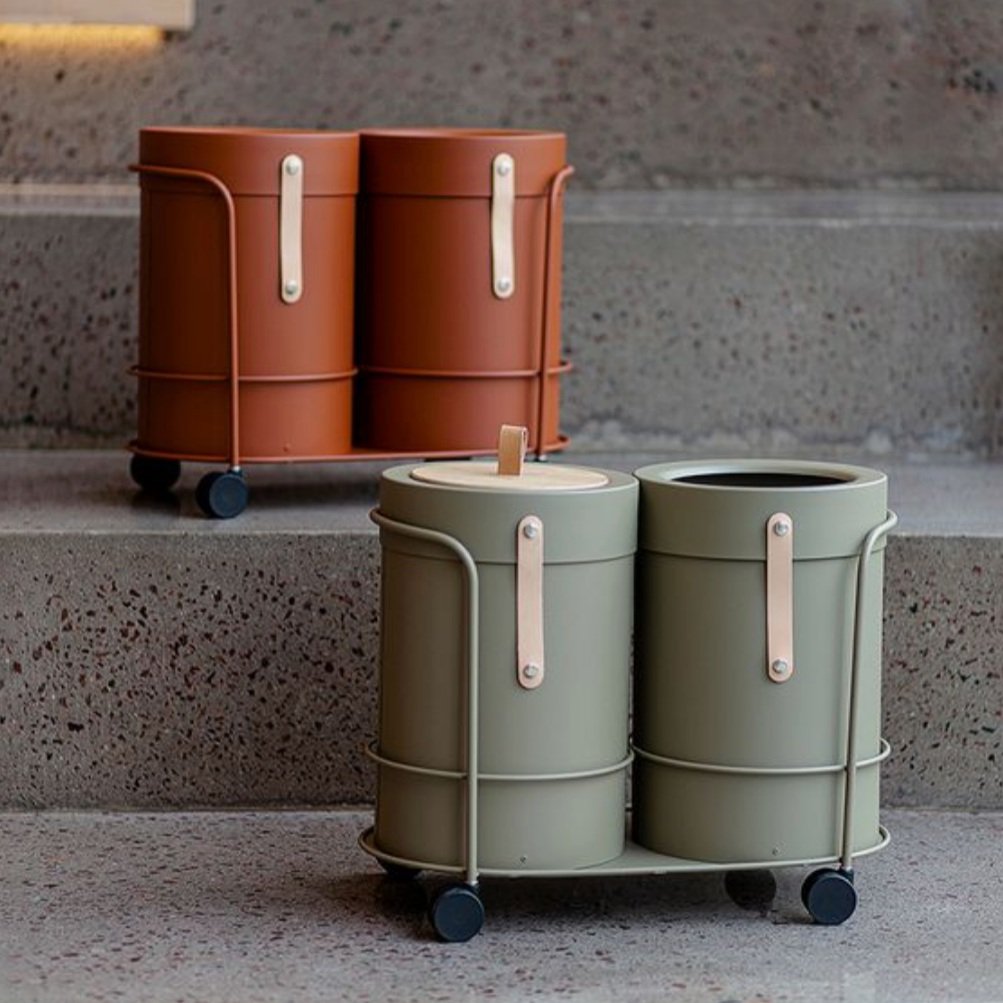
Small daily gestures
Eco-friendly decorating also involves small, everyday actions that, when taken together, make a big difference.
Avoid waste: Buy only what you need and avoid impulse buying.
Waste sorting: Set up a waste sorting system at home to recycle more efficiently.
Repairs: Instead of throwing away a piece of furniture or a broken object, try repairing it. There are many online tutorials to help you.
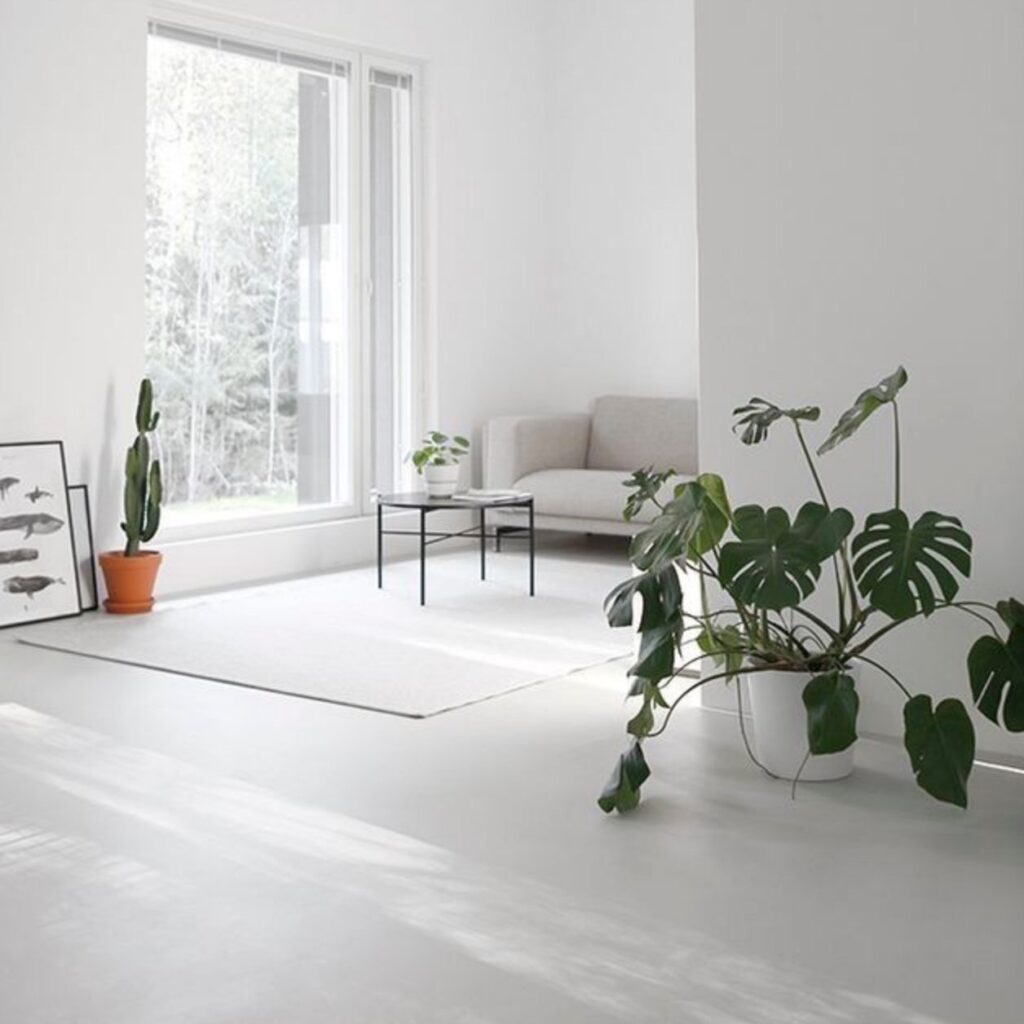
Minimalism: less is more!
Adopting a minimalist approach to interior design can also contribute to a greener home. Minimalism encourages owning fewer objects, but of better quality and with a clear history or function.
Visual detox: A minimalist interior is often more soothing and functional. Get rid of superfluous objects and keep the essentials.
Invest in quality: Rather than buying several cheap items, invest in valuable pieces that will last over time.
Adopting eco-friendly decoration is a concrete contribution to protecting the environment while creating an aesthetically pleasing and healthy living space. By favoring recycling, sustainable materials, plants, local craftsmanship, intelligent energy management and a minimalist approach, you can transform your home into a harmonious place that respects our planet. Every small gesture counts, and together they create a big change.
So, are you ready to take up the green decorating challenge?