"Culture, in its broadest sense, is considered to be the set of distinctive features, spiritual and material, intellectual and emotional, which characterize a society or social group." (Mexico City Declaration on Cultural Policies. World Conference on Cultural Policies, 1982).
Culture will be an infinite source of inspiration for the interior designer, who seeks to express the various facets of life of the individuals or groups of individuals to whom he dedicates himself.
Each culture imbues interior design with its own tradition, stemming from the history of the place and its inhabitants. It offers characteristic color palettes, patterns and materials.
These "cultural styles" manifest themselves in interiors in remarkably varied ways around the world.
In this article, we dive into the specifics of some of these styles across the continents. It's a simple overview of their differences and their power to shape spaces of exceptional and unique beauty.
SCANDINAVE
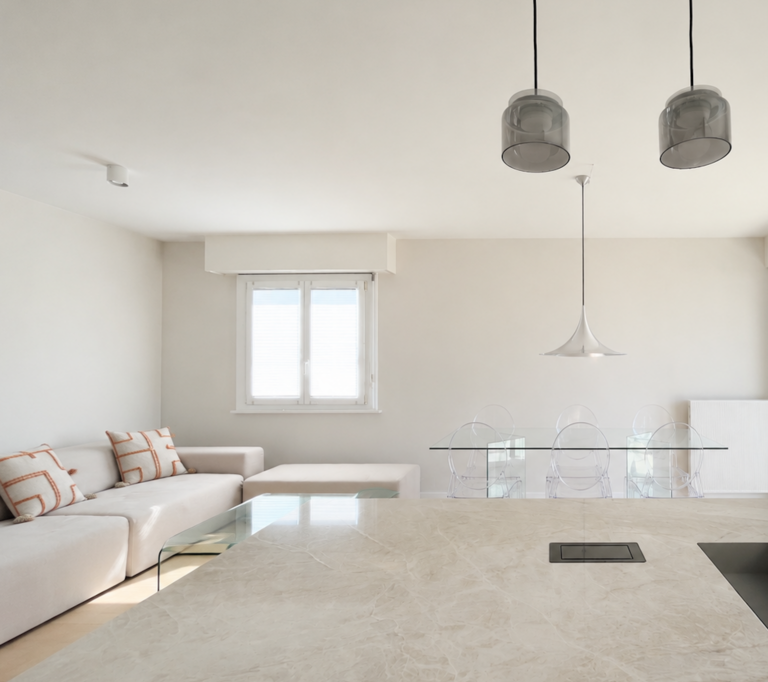
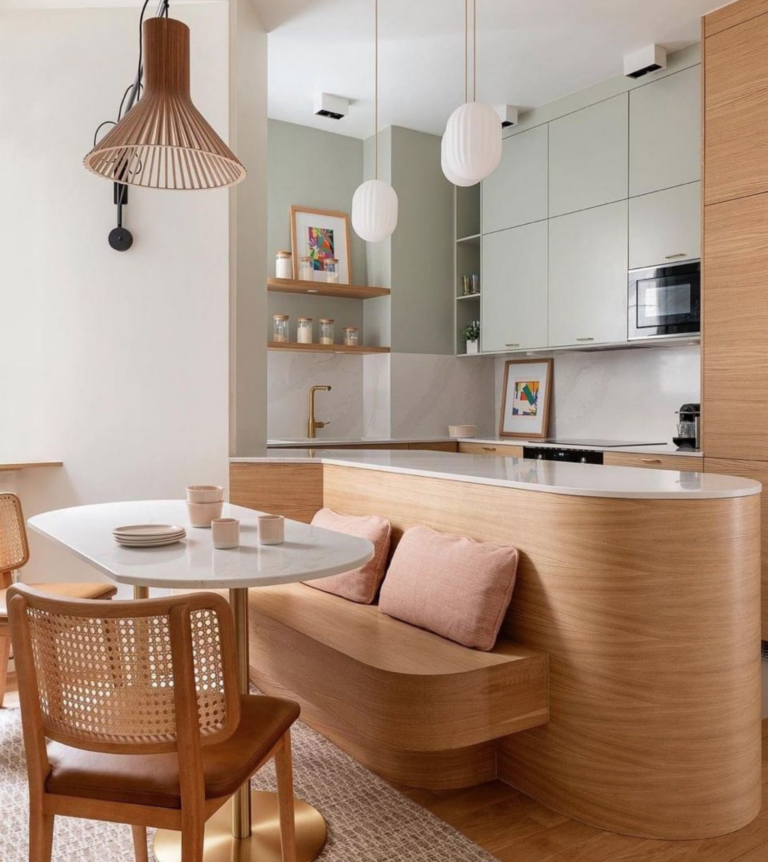
Scandinavian design embodies simplicity and functionality, with a sober aesthetic that favors clean lines and natural materials. Scandinavian interiors are characterized by the use of light wood, white and neutral tones, creating an atmosphere all their own.
Soft textiles, such as wool blankets and linen cushions, add comfort to this minimalist universe.
Architects and designers such as Alvar Aalto and Arne Jacobsen are emblematic figures of this style.
JAPANESE
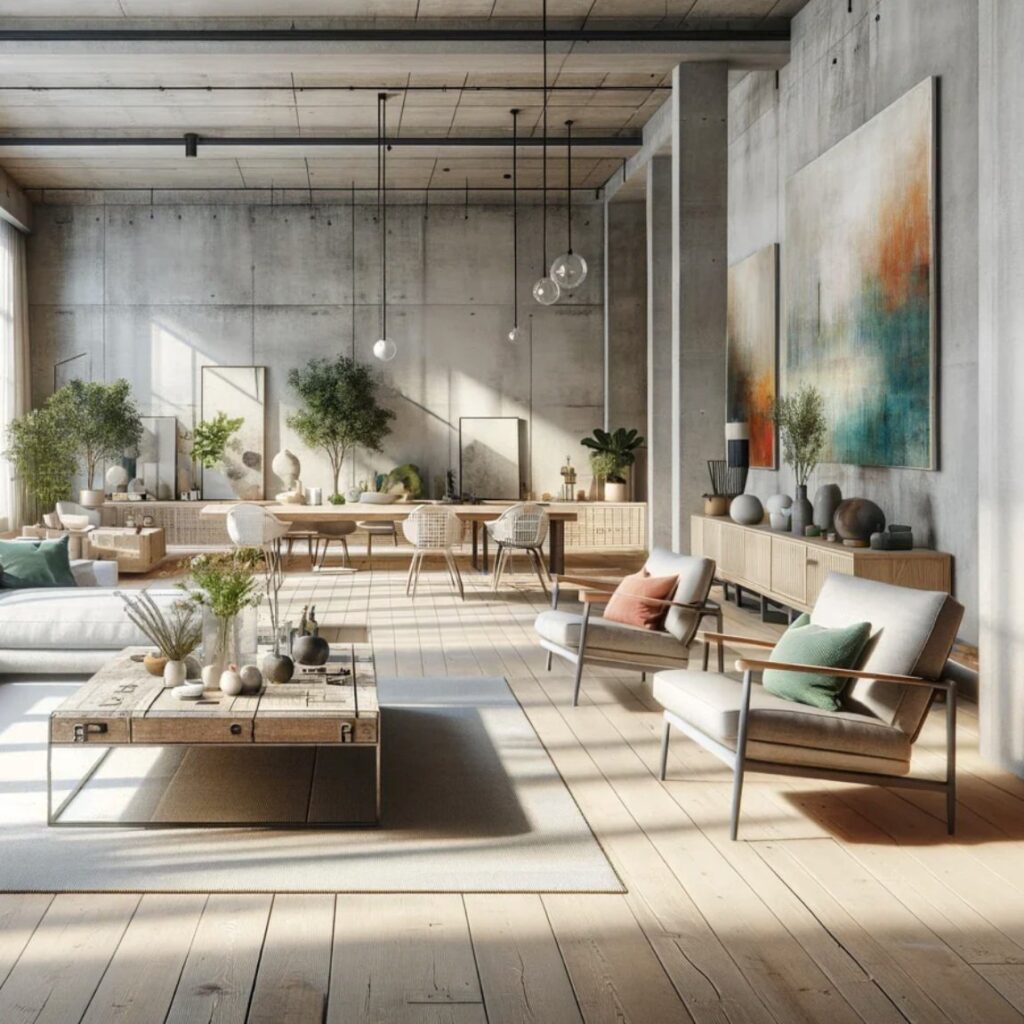
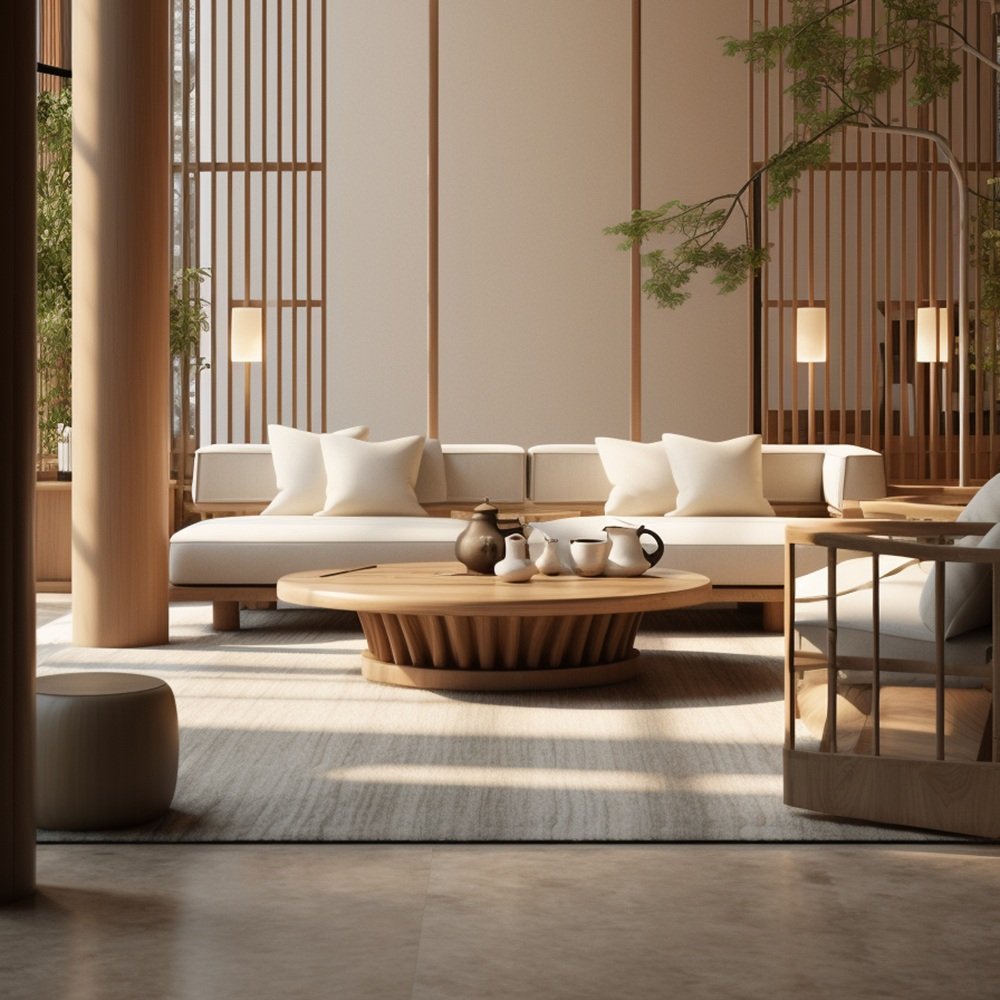
Japanese design celebrates the harmony between man and nature, emphasizing simplicity, balance and serenity.
Japanese interiors incorporate natural materials such as wood, bamboo and stone, as well as traditional elements such as tatami mats and fusuma (sliding panels).
The color palette is often dominated by soothing neutrals, while accents of color can be introduced through objects of art or floral arrangements.
Renowned Japanese architects such as Tadao Ando and Kengo Kuma are renowned for their innovative fusion of tradition and modernity.
MOROCCAN
In Moroccan design, the country's rich and diverse heritage has given rise to a festival of exotic colors, ornaments and textures.
The vibrant colors often employed in Moroccan interiors, such as terracotta, blue and gold, add depth to spaces. Add to this colorful zellige tiles, finely crafted wooden elements and traditional decorations, particularly Berber rugs and chased metal lanterns, and you have a unique, bewitching ambience.
Architects such as Hassan Fathy and Elie Mouyal are renowned for their contribution to the preservation and promotion of Moroccan architectural tradition.


INDIAN
Indian design is a celebration of the subcontinent's abundance of cultures and their interweaving.
Indian interiors offer a profusion of color, ornamentation and craftsmanship. They incorporate elements such as carved wooden furniture, shimmering textiles like saris transformed into curtains, and traditional motifs like paisleys and mandalas.
Bright colors - red, yellow and blue - are often used to create dynamic, cheerful spaces.
Renowned architects (Charles Correa and Balkrishna Doshi, for example) have shaped the modern architectural landscape of the subcontinent without ever neglecting the Indian heritage.
MEDITERRANEAN
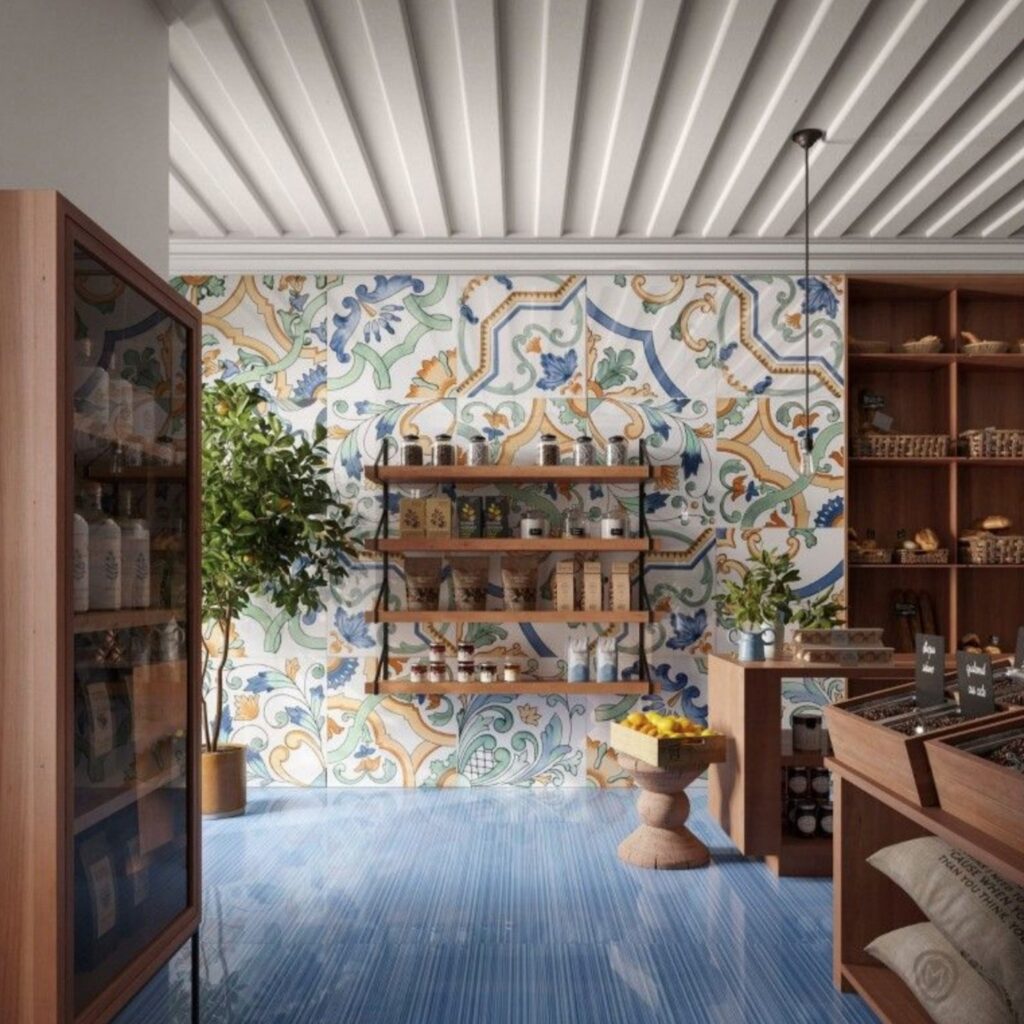
Mediterranean design evokes the laid-back charm of coastal regions with whitewashed walls, terracotta floors and accents of blue and turquoise.
Mediterranean interiors are bright and airy, with rustic wood furniture and light textiles such as linen and cotton. Traditional architectural elements such as arches, vaults and exposed beams add character and charm to the space.
The colors are inspired by Mediterranean landscapes, with shades of blue, white and terracotta that capture the sunny spirit of the region.
Architects such as Ricardo Bofill and Luis Barragán have influenced modern Mediterranean design with their distinctive approach to residential architecture.
AFRICAN
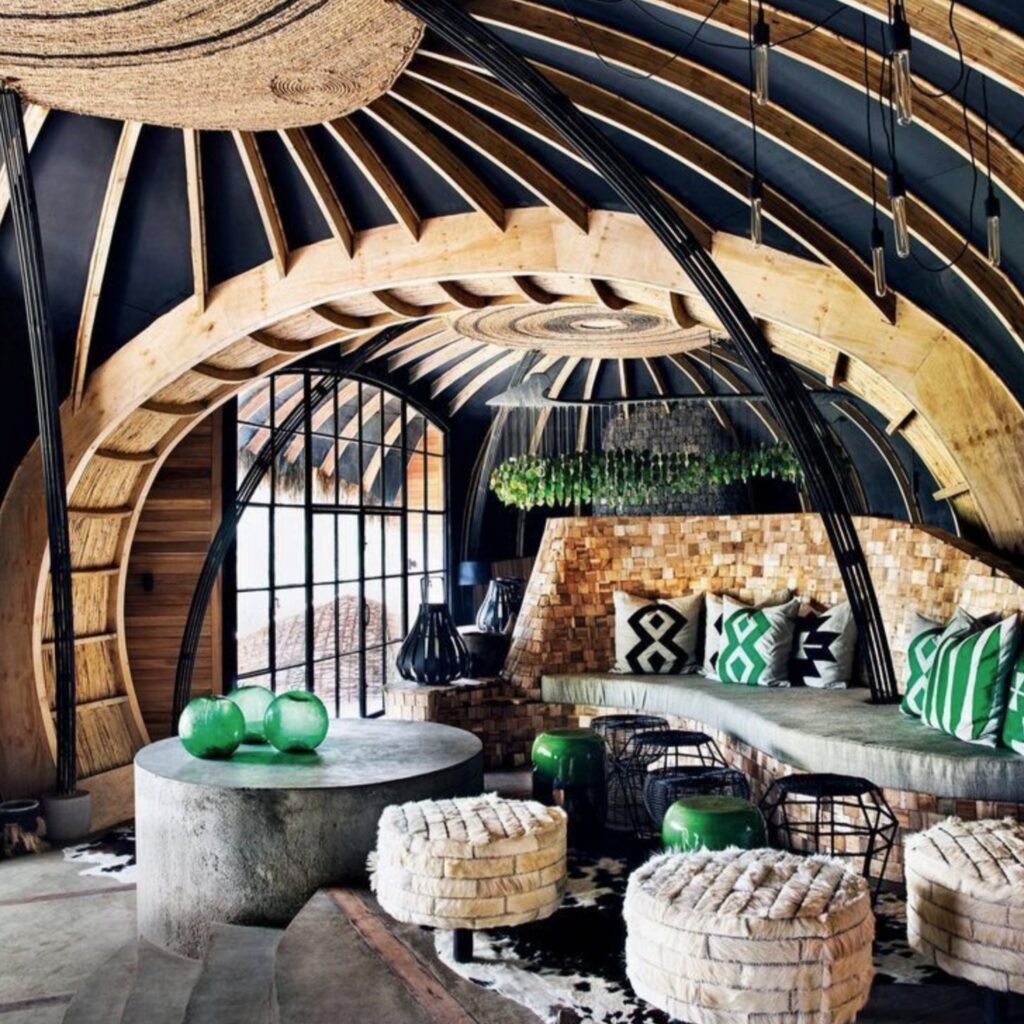
Simply put, African design offers a kaleidoscope reflecting the continent's rich and diverse traditions.
African interiors feature natural materials such as wood, leather and rattan, as well as vibrant textiles like kente and bogolan. Tribal motifs and wood carvings are emblematic elements of African design, telling stories and celebrating ancestral art.
Earthy colors and warm tones predominate, creating a warm, welcoming ambience.
Important figures in contemporary African architecture, such as Francis Kéré and Diebedo Francis Kéré, have helped preserve an architectural style that integrates traditional elements with innovative forms and techniques.
Interior design is a vibrant reflection of the world's cultural diversity, where each style offers a rich and fascinating exploration of history, art and tradition. Whether through the clean lines of Scandinavian design, the quiet elegance of Japanese design or the vibrancy of African motifs, each culture brings its own distinctive touch to the creation of spaces that are both aesthetically beautiful and culturally significant. By embracing cultural influences in interior design, we open the doors to a world of infinite possibilities, where beauty and diversity meet to inspire and amaze.