BLOG
Inspiration, design and space stories.
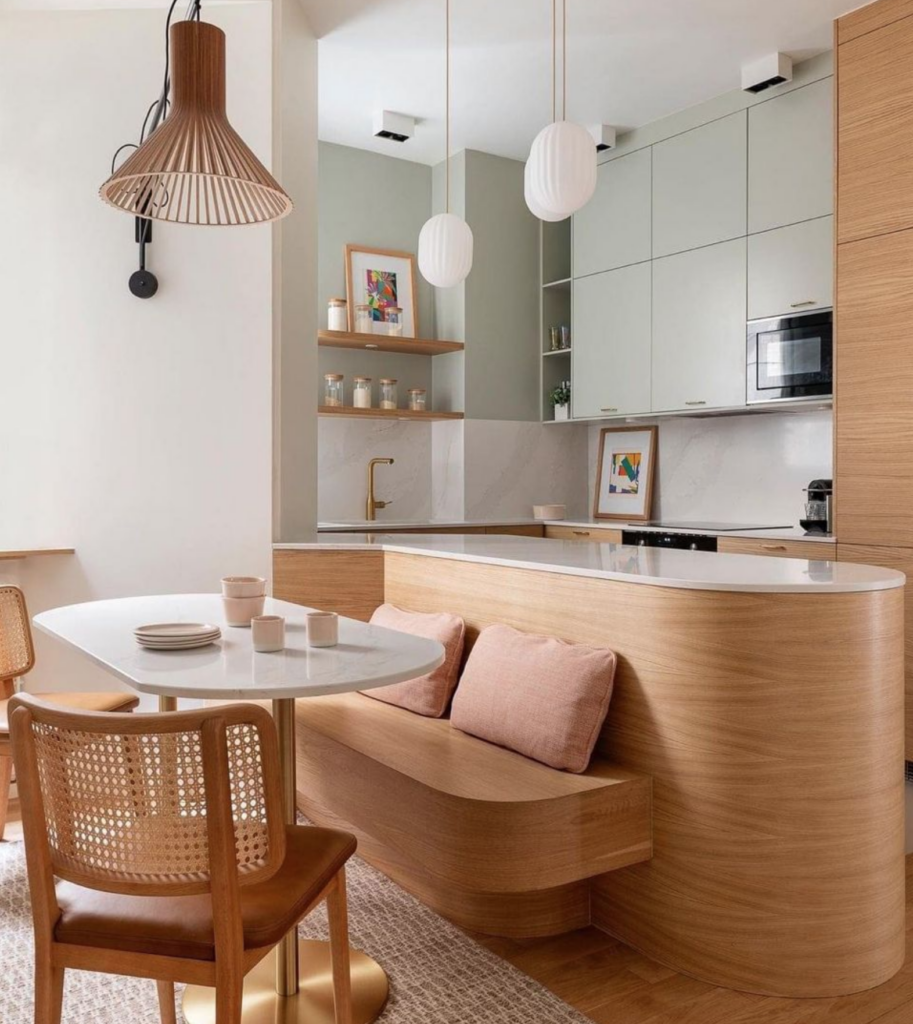
Living in a small space isn't a compromise—it's a creative challenge.
And that's exactly what I love about this type of project:
Creating a space that breathes, functions, and tells a story, even when you "only" have 40 or 60 square meters.
As an interior designer, I have one conviction:
Space constraints can become an asset, provided you think of every inch as an opportunity.
Today, most retailers have fully embraced the importance of aesthetics.
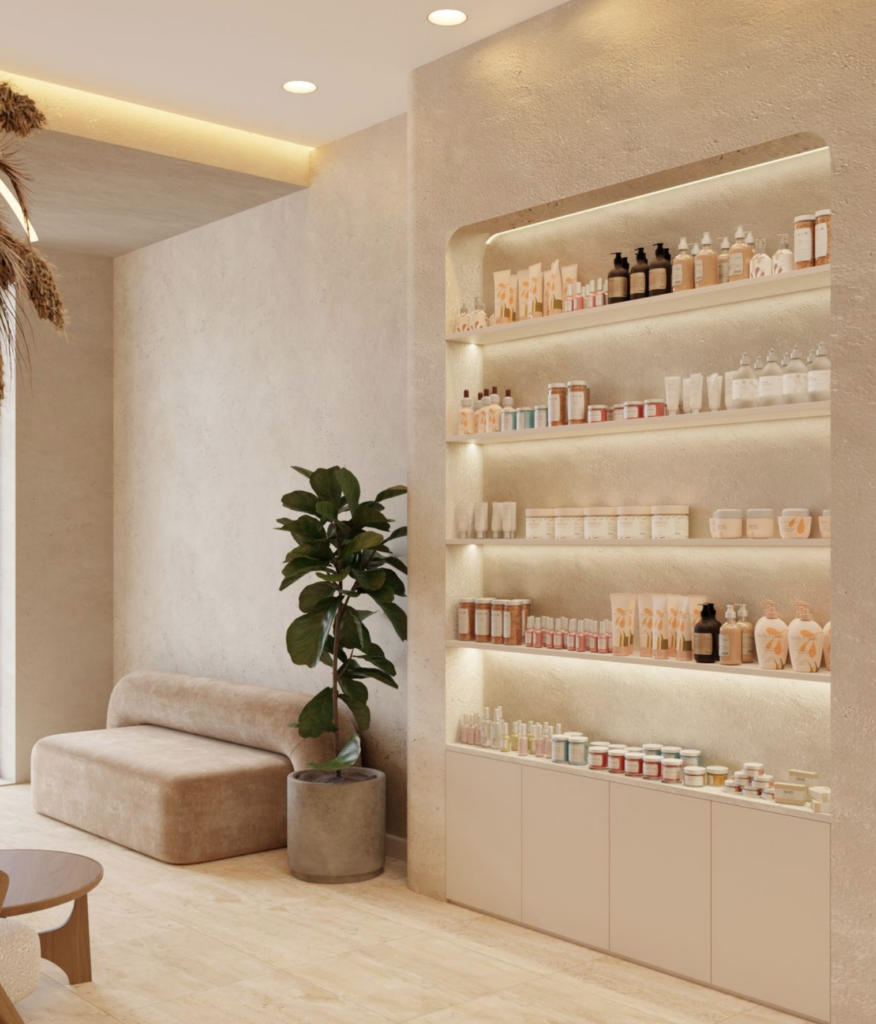
A beautiful floor, trendy furniture, a carefully chosen color palette, an attractive window display.
But one question often comes up in my professional exchanges:
“Why, despite having a beautiful space, are my sales not taking off?”
Because a beautiful store isn't enough.
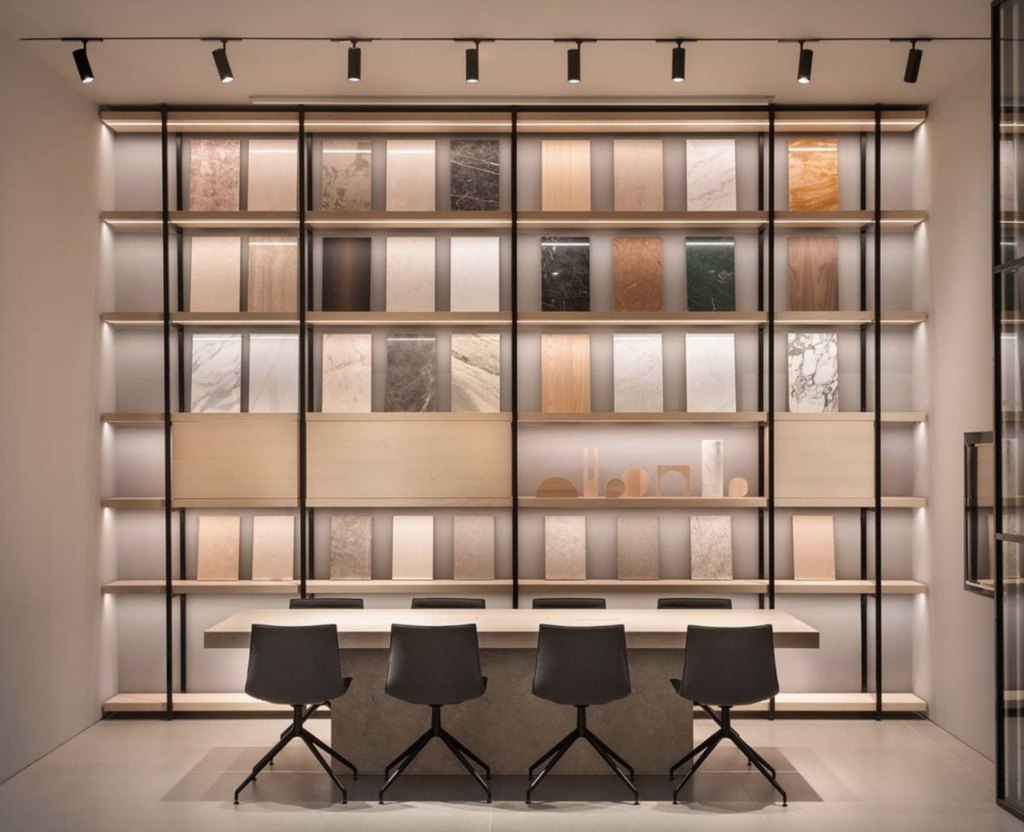
You need an effective space—designed as a strategic tool for sales, comfort, and differentiation.
Many retailers believe that changing their image necessarily involves major work.
Closing for several weeks. Demolishing. Rebuilding. Investing heavily.
And yet.
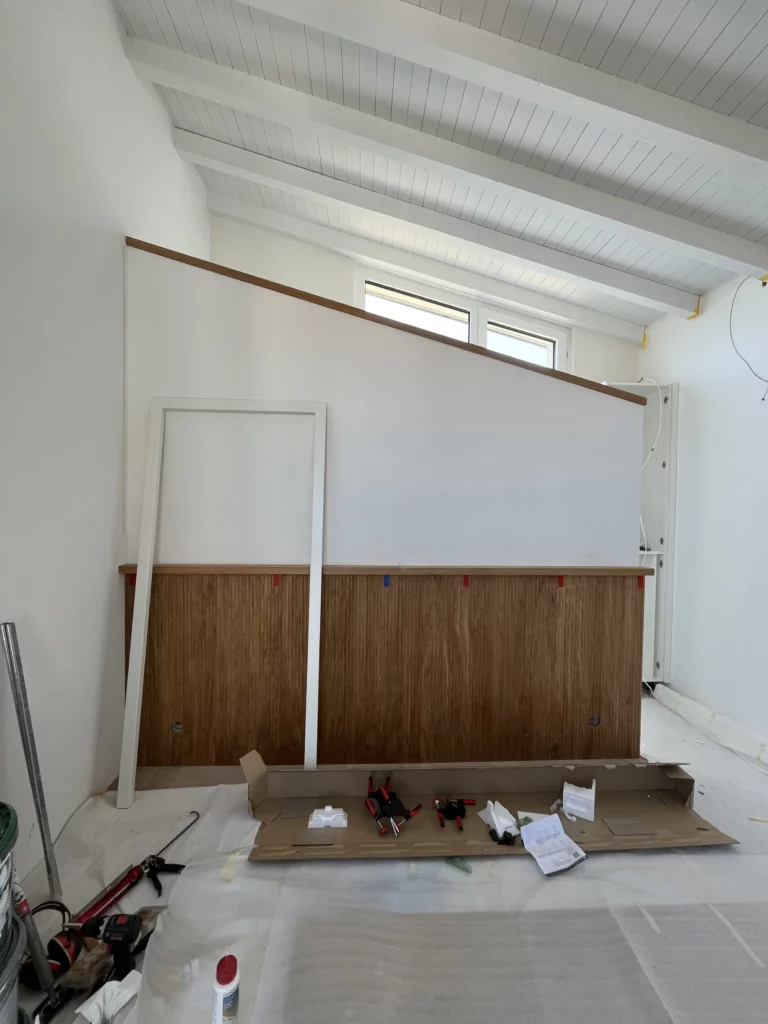
In reality, most commercial spaces need a wake-up call, not demolition.
A fine adjustment. A more strategic approach. A return to consistency.
As an interior designer, I often work on existing spaces—sometimes tired, sometimes pretty but inefficient—with a clear goal in mind:
Transforming the experience without starting from scratch.
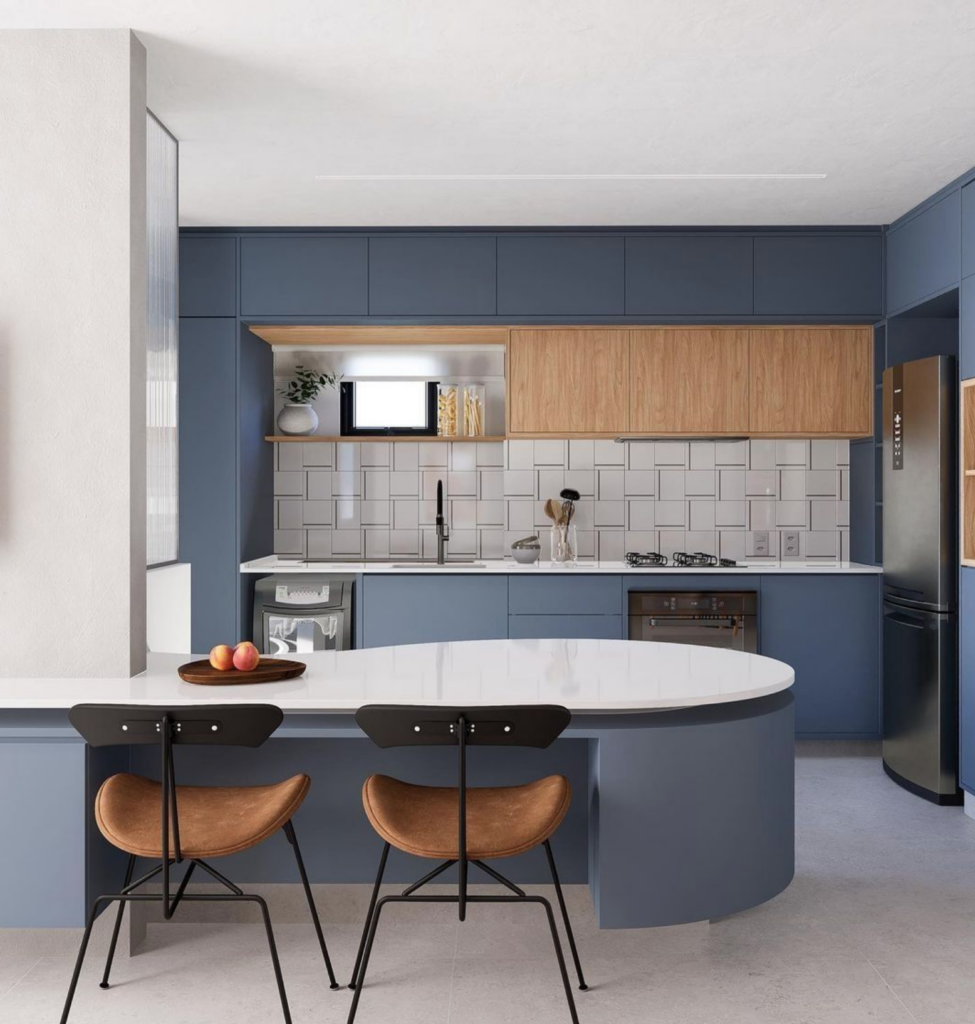
Long considered simply a place for preparing food, the kitchen is now at the heart of new challenges: function, aesthetics, sharing, intimacy, multi-use.
But is it still really a living space? Or is it becoming too static, too perfect, too smooth?
As an interior designer, I see the kitchen as a spatial and emotional hub.
And in every project, I seek to restore it to its rightful place: between comfort, utility, and human warmth.
My professional customers often ask me the same question:
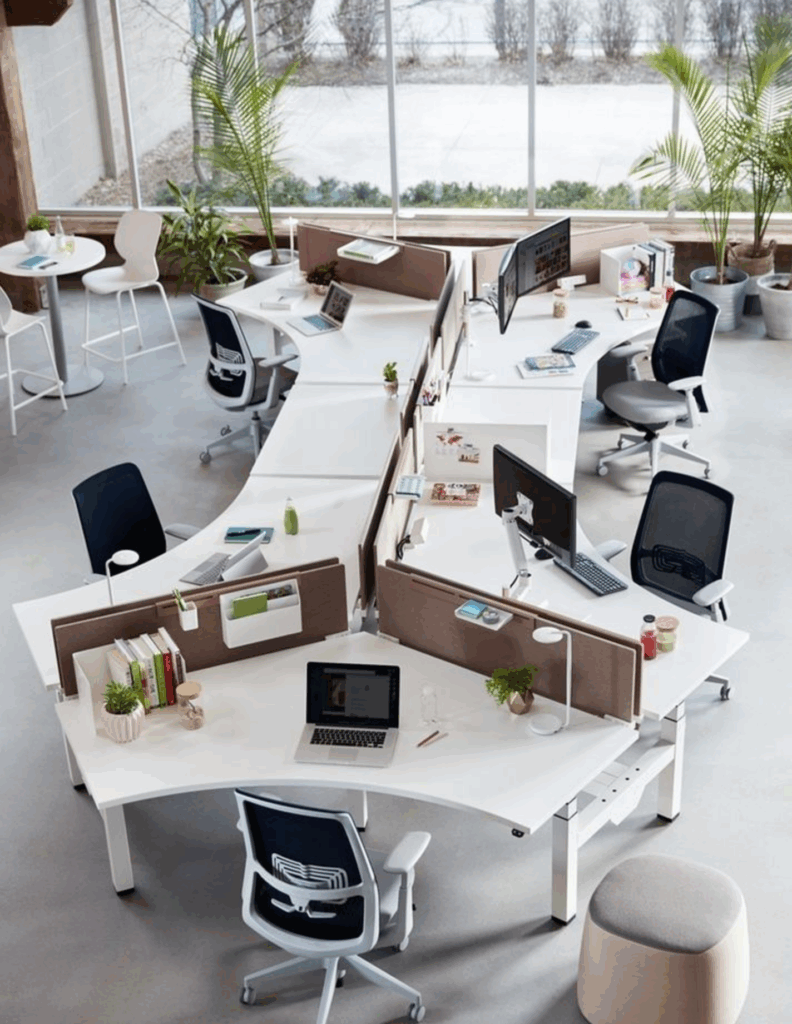
"How many workstations can I legally and comfortably install on my premises?"
In Switzerland, the OLT3 standard (Ordinance 3 relating to the law on work) governs the minimum requirements for the layout of workplaces.
These include minimum surface areas per person, ceiling heights, ventilation, lighting and noise levels.
But beyond simple legal compliance, there is much more at stake:
→ Optimize your workspaces so that they are compliant, pleasant and adapted to your activity.
In design, as in society, the norm has long dominated.
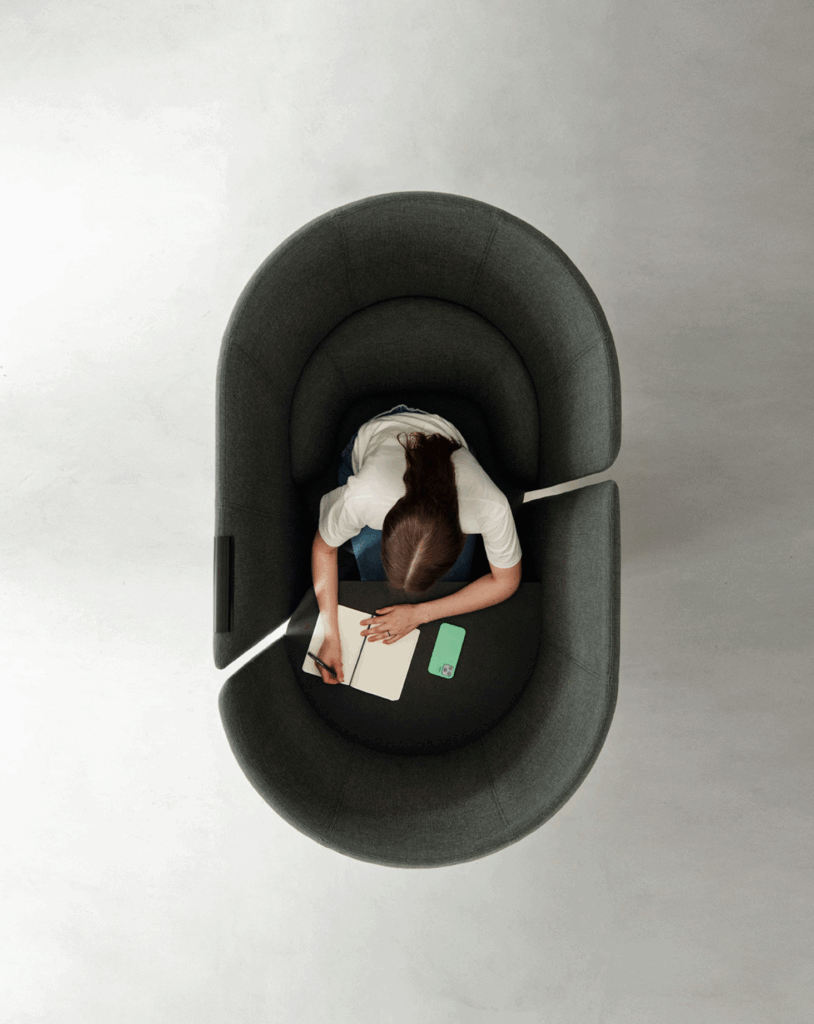
The space was designed for a "typical" person: mobile, focused, sociable, at ease with stimulation, transitions and codes.
But this vision does not reflect reality.
We often think we need more space.
More square meters. More rooms. More storage.
But as an interior designer, I can tell you: it's not the size that counts - it's what you do with it.
Optimizing a space doesn't mean filling it up at all costs.
It's about making every square meter useful, fluid and pleasant, without sacrificing comfort or aesthetics.
Here's how I'm revealing the potential of your interior, without breaking the walls (and without emptying your bank account).
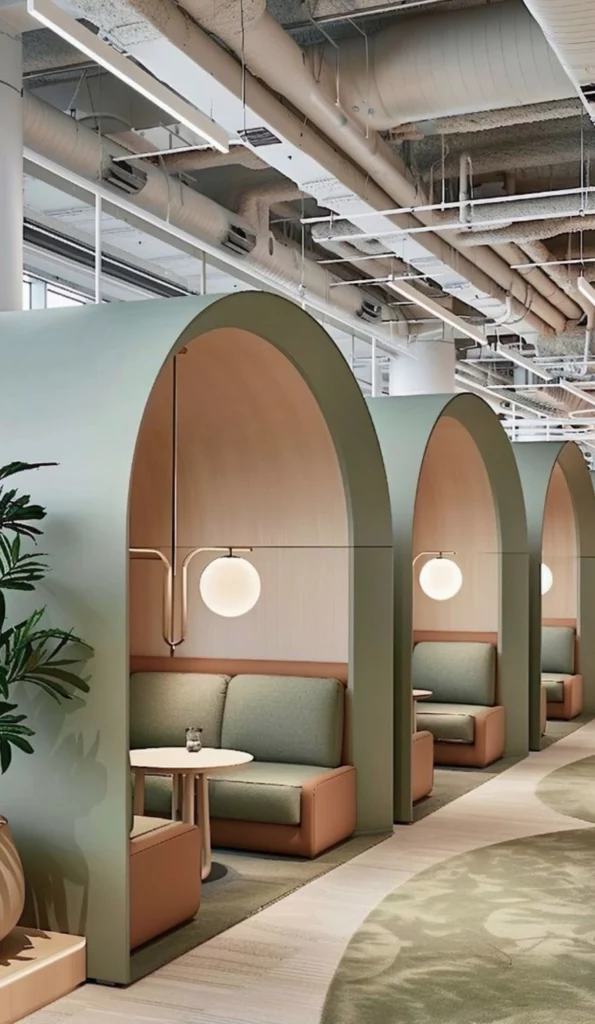
Today, more and more companies are switching to the flex office - an organizational model without a dedicated workstation, where everyone chooses their own space according to their current activity.
But changing the model isn't just about removing desks and adding a barista. It's about radically rethinking the way we work and live in our professional space.