Interior architecture, compliance and quality of life at work
My professional customers often ask me the same question:
"How many workstations can I legally and comfortably install on my premises?"
In Switzerland, OLT3 (Ordinance 3 relating to the Labor Law) governs the minimum requirements for the layout of workplaces.
In particular, it lays down minimum surface areas per person, ceiling heights, and ventilation, lighting and noise conditions.
But beyond simple legal compliance, there is much more at stake:
→ Optimize your workspaces to make them compliant, pleasant and adapted to your business.
What does the OLT3 standard say about surfaces?
According to art. 23 of the LTO3 :
-
An enclosed workroom must offer at least 10 m² of floor space for two people, i.e. 5 m² per person.
-
There must be at least 12 m³ of air per person (volume, i.e. height x surface area).
-
These dimensions can increase depending on the activity (physical work, noisy machines, handling of substances, etc.).
Important: these are useful floor areas, not the total gross floor area of the office (including corridors, storage space, washrooms, etc.).
Why (really) comply with these standards?
1. It is a legal obligation
The Labour Inspectorate can intervene, particularly in the event of a complaint from an employee, or when new premises are being fitted out.
2. It's an HR issue
A space that is too small, poorly ventilated or badly designed leads to :
-
fatigue,
-
stress,
-
loss of concentration,
-
and sometimes... avoidable turnover.
3. It's an opportunity to rethink the way you work
Optimization is not a hindrance - it's a strategic lever.
It enables us to reorganize teams, introduce flexibility, or better segment activities in space.
How I optimize your surfaces, in compliance with LTO3
As an interior designer, my role is twofold:
-
Ensure surface conformity,
-
And make them efficient, lively workplaces, adapted to your needs.
Here are the concrete areas in which I work:
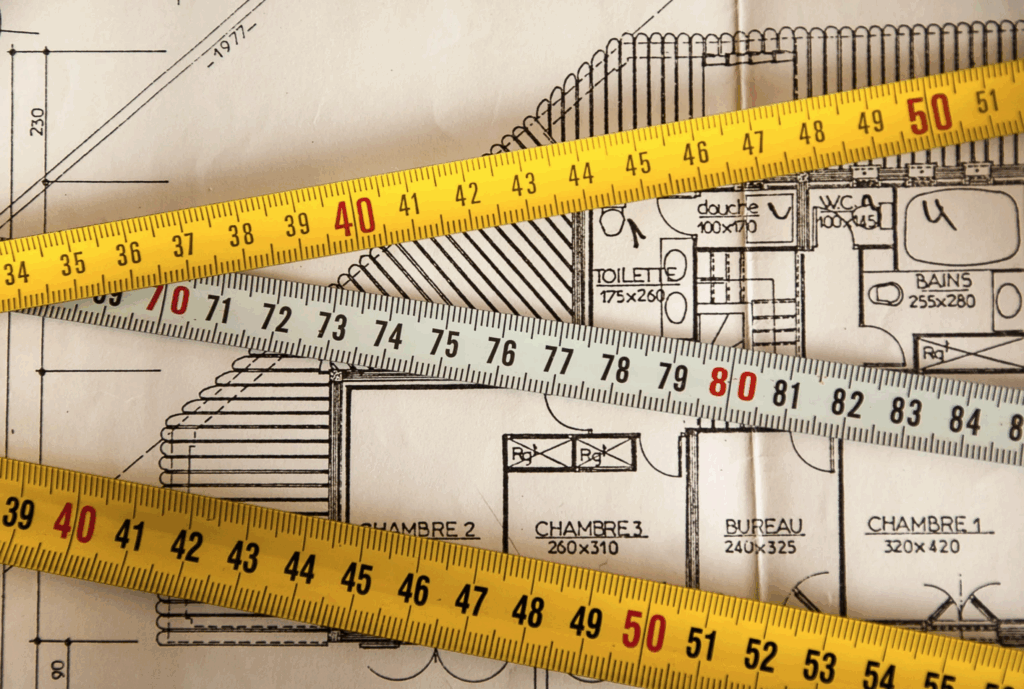
1. Measure your floor space precisely
I always start with a precise assessment of the situation:
Calculation of net surface area by zone
Analysis of current occupancy rate
Evaluation of ceiling height (to validate the 12 m³/pers.)
In many cases, we discover areas that are poorly exploited: empty nooks and crannies, useless excess furniture, under-utilized spaces.
2. Analyze actual usage
I ask you some simple but fundamental questions:
Who works where and how?
Are there peaks in attendance or prolonged absences?
Which areas are saturated, under-exploited or poorly adapted?
This helps you decide whether to :
Decompartmentalize
A different way to distribute
Create hybrid zones (teleworking, collaboration, focus, etc.)

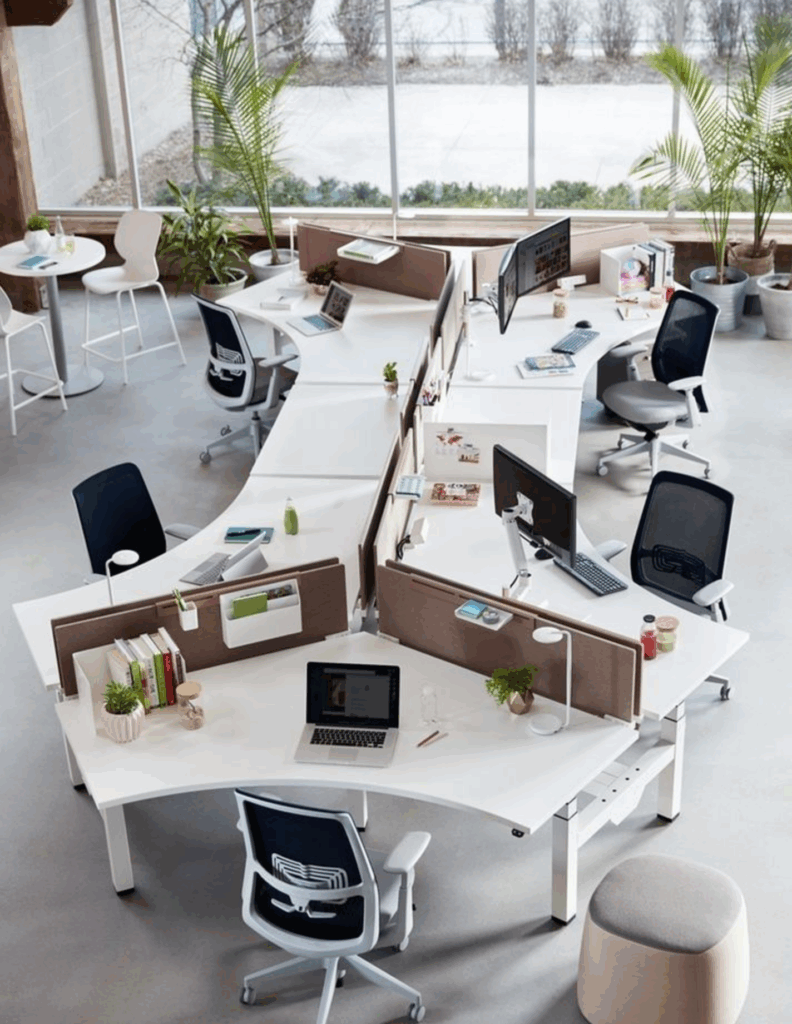
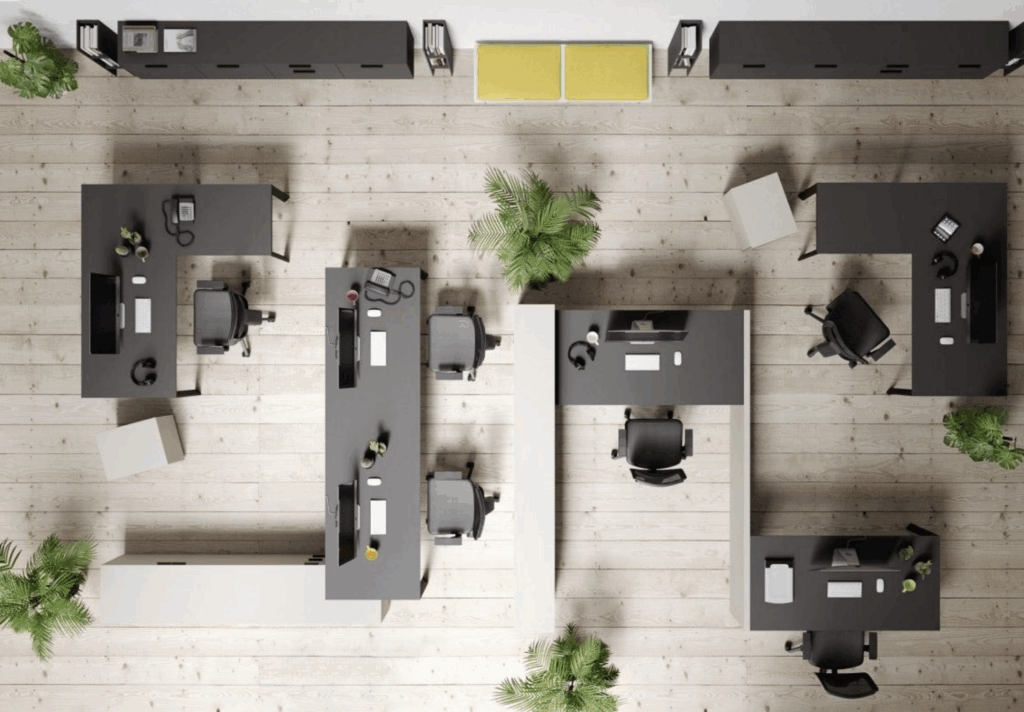
3. Creating modular, compliant layouts
Here are some of the solutions I regularly integrate into commercial projects:
Flexible workstations with ergonomic yet space-saving seats
Integrated storage to free up floor space
Semi-open partitions for delimitation without enclosure
Acoustic boxes, perfectly compliant and useful for calls, concentration or videoconferences
Customer example: an SME that wanted to accommodate 3 more people without moving. By reorganizing the furniture, creating a shared quiet work area, and eliminating duplicate storage, we gained 12 m² without breaking anything.
4. Anticipate other LTO3 requirements
In addition to m², LTO3 also requires :
Sufficient ventilation: I work with architects and engineering offices to ensure adequate air renewal.
Sufficient natural light: I maximize diffusion with light colors, well-positioned glazing and reflective materials.
Noise protection: I offer tailor-made solutions (carpets, acoustic panels, thick curtains, absorbent coverings).
In conclusion: optimizing means respecting and revealing
Complying with LTO3 is more than just checking a box.
It's an opportunity to :
make your premises more comfortable,
improve quality of life at work,
and make sure that every square meter is useful, well thought out, and at the service of your business.
Are you unsure about your floor space?
Do you want to accommodate more people without sacrificing comfort?
Or redesign your offices to make them more functional, without tearing them down?
I will accompany you with a clear, technical and human approach.