First, a question of spatial organization
Historically, kitchens were closed off, utilitarian, and tucked away.
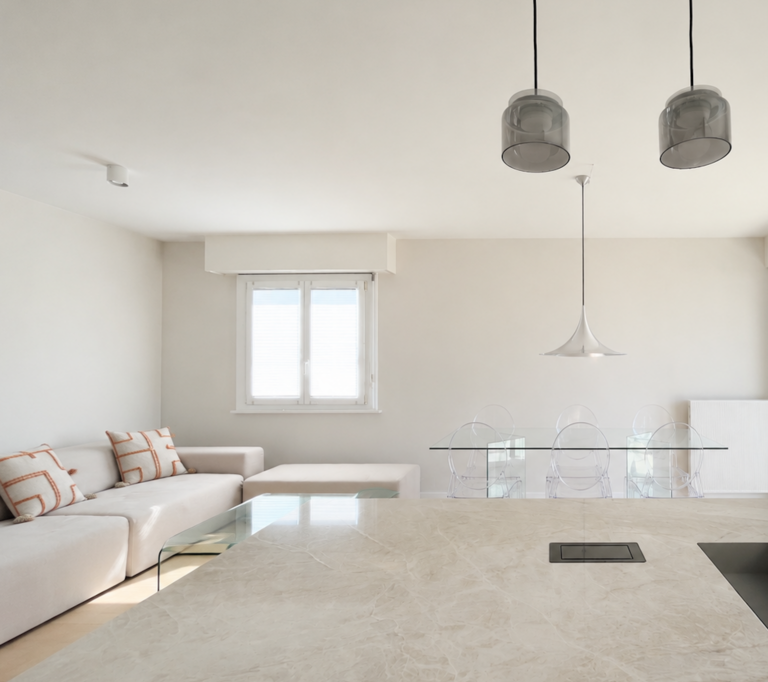
Then, in the 2000s, American-style open kitchens emerged, with central islands and completely open layouts.
Today, there is a perceived need to restore balance:
recreate buffer zones,
visually protect the "technical" area,
regain privacy...
while maintaining openness.
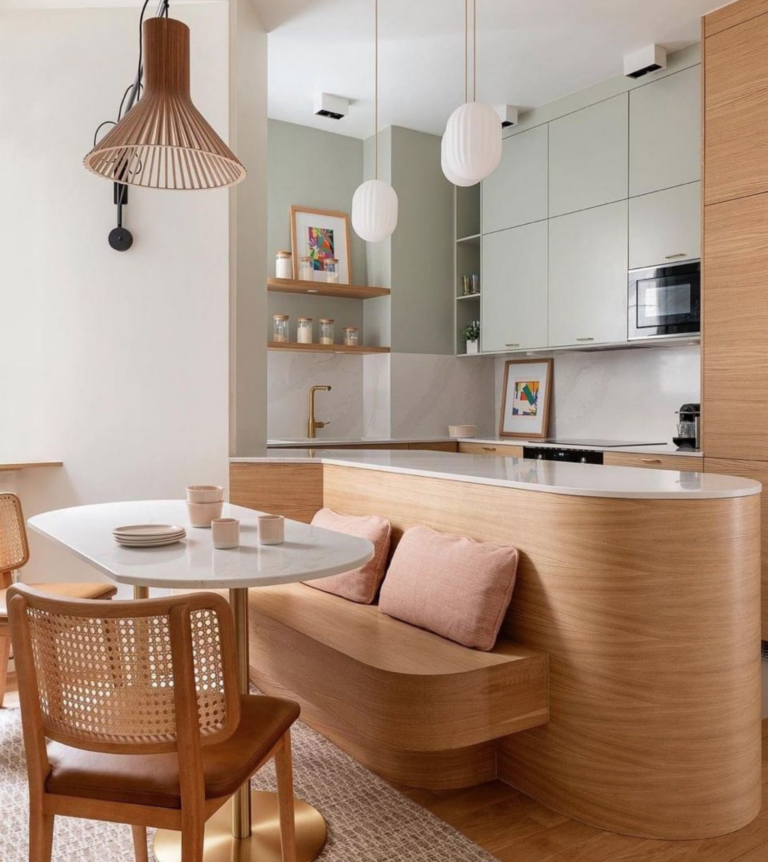
My approach? A well-designed kitchen is a connected kitchen without being exposed, open without being disorganized.
One kitchen, multiple uses
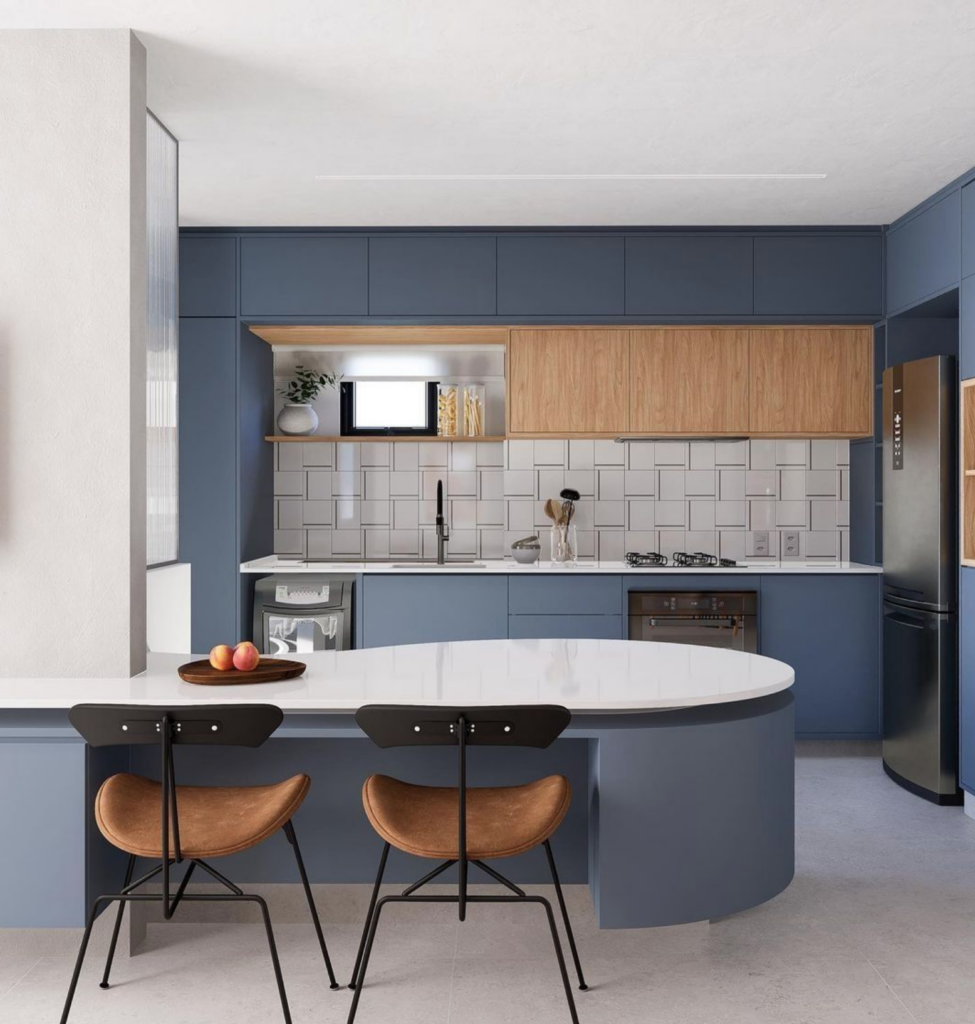
The kitchen is no longer just for cooking.
It becomes:
a temporary teleworking position,
an aperitif table,
a homework plan for children,
a crosswise storage space (groceries, laundry, stationery, medicine, etc.),
sometimes even a social gathering place.
The real issue is therefore not just beauty, but adaptability.
The catch: the perfect kitchen... but empty
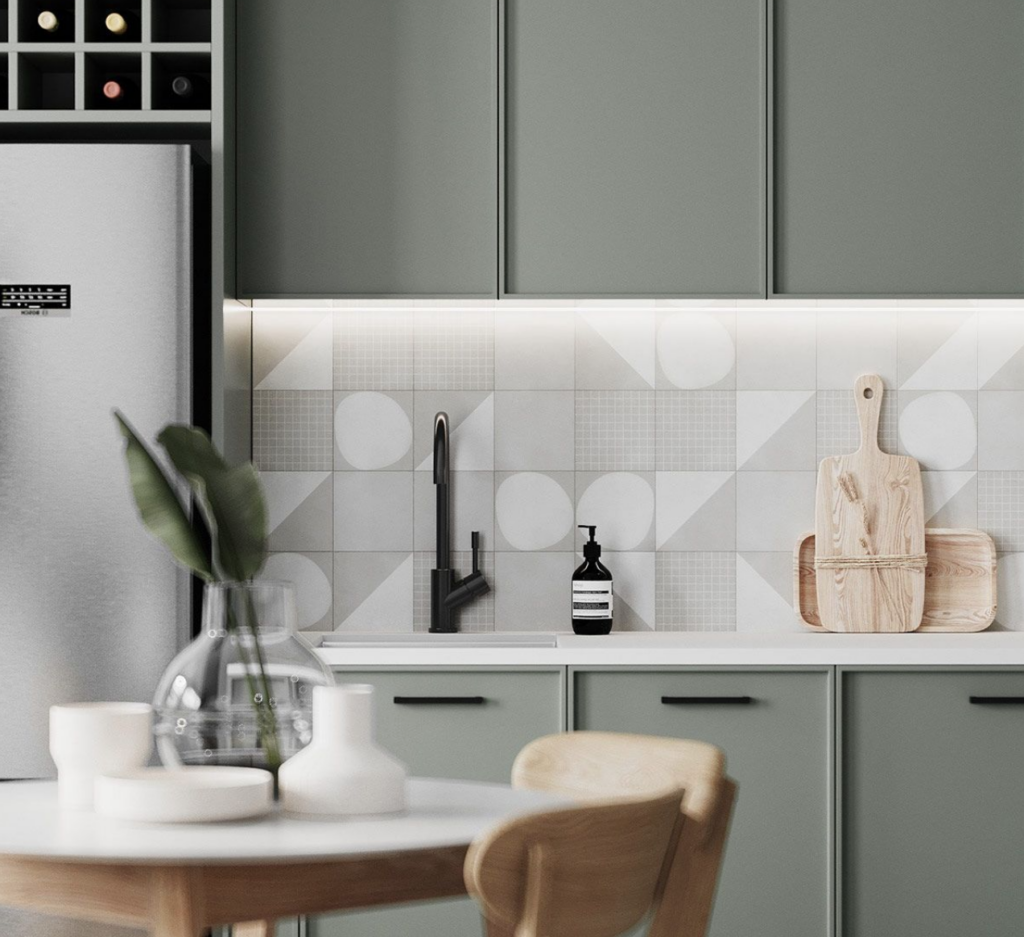
On Pinterest or in magazines, we see dream kitchens. Immaculate. Precisely measured. Sublime.
But sometimes, these spaces are... lifeless.
No experience, no traces, no emotion.
A kitchen that is too "exposed" encourages aesthetic performance rather than promoting everyday enjoyment.
My goal: to create kitchens that are livable, not just Instagrammable.
Materials, light, rhythm: the real drivers
1. Materials
Choose tactile, durable, easy-to-clean surfaces: oiled wood, terrazzo, brushed stainless steel, textured ceramic.
Avoid excessive shine, fragile surfaces, and overly trendy effects.
2. Light
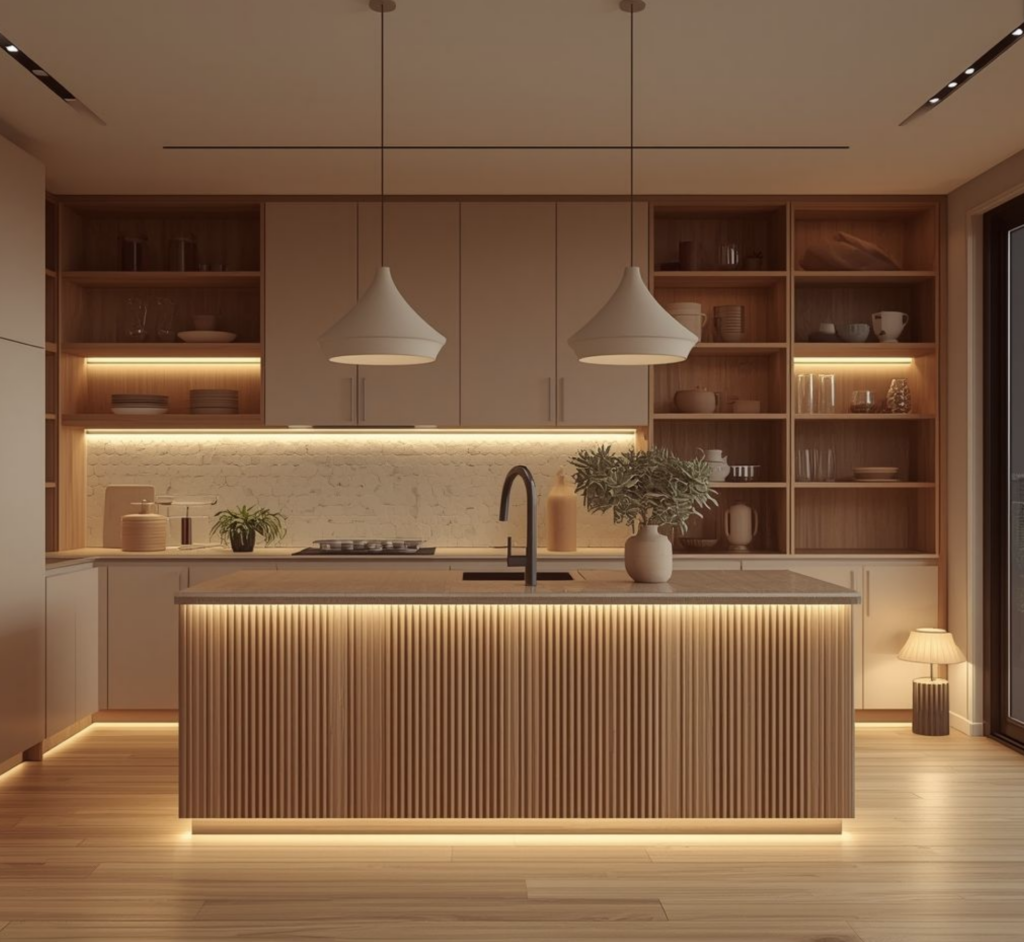
Provide at least three sources:
general lighting,
work surface lighting,
ambient lighting (table lamps, soft pendant lights, etc.).
A cozy kitchen is never lit solely by spotlights.
3. The rhythm
Work with varying heights, partial openings, and wall openings (shelves, niches, credenzas).
And above all: create a story
A successful kitchen is one that reflects your personality.
Not your neighbor's. Not the one in the showroom.
It carries your habits, your schedules, your recipes, your silences.
It must be able to evolve with you.
That's why I build each project around a narrative intention, not a stylistic effect.
In conclusion
The kitchen is not a functional space.
It is a room to live in, to experience, to share.
How about we start there again?
By asking the real question:
How do you want to live in your home?
And what does your kitchen say about your daily life?
📩 Need to transform your kitchen without tearing everything down? Or rethink a project from the ground up?
I will guide you through a human-centered, coherent, and customized design process to restore the kitchen to its rightful place: the heart of the home.