A sales space is a mental journey
When a customer enters your store, he or she:
perceives (light, atmosphere, volume),
analysis (where to go, what to see, how to get around),
reacts (lingers or leaves, touches or avoids, asks or hesitates).
Every detail counts: smell, sound, staff posture, signage, product lighting, shelf height.
And all of this can encourage or discourage the act of purchasing.
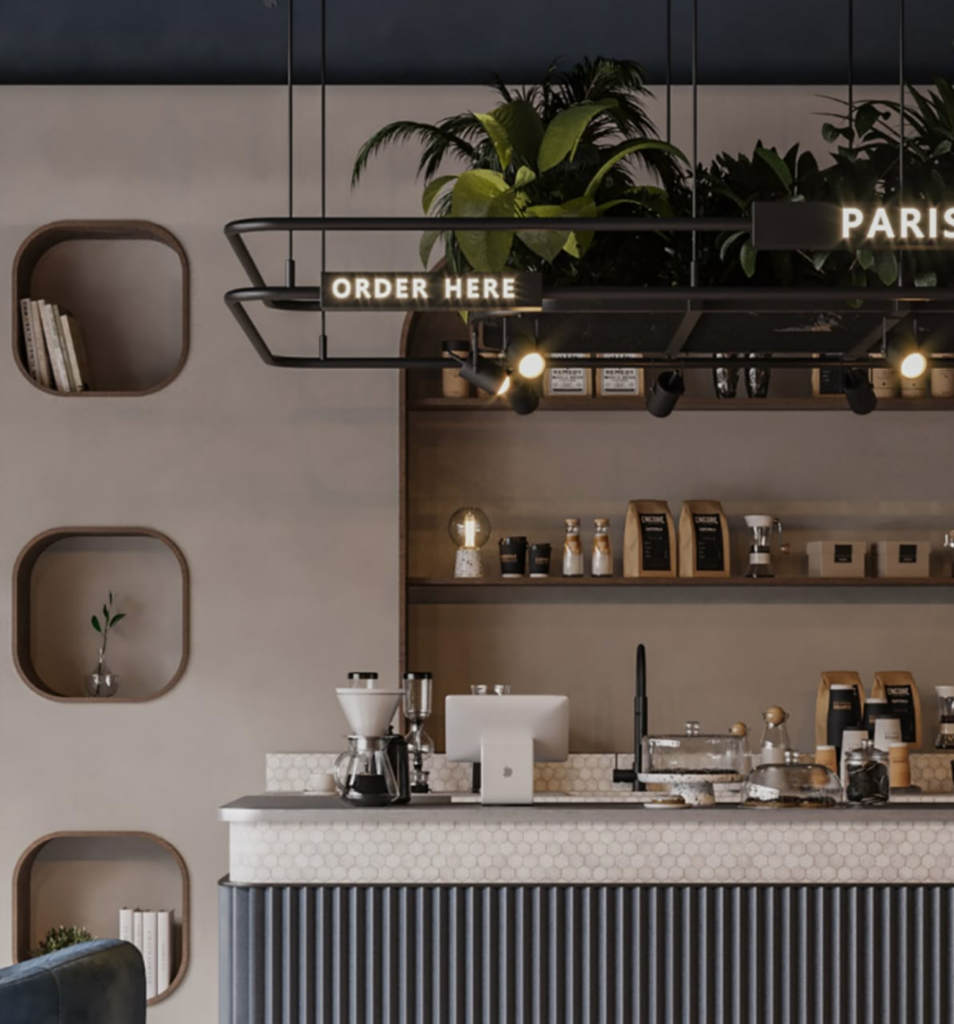
My role as an interior designer is to design a space that works for you.
An effective point of sale is a place that:
-
tell a story (consistent with your brand),
-
generates trust and comfort,
-
guide subtly without ever confining,
-
stimulates desire, without being aggressive.
And above all: a place that converts —that is, that turns a visit into interaction, then into a purchase.
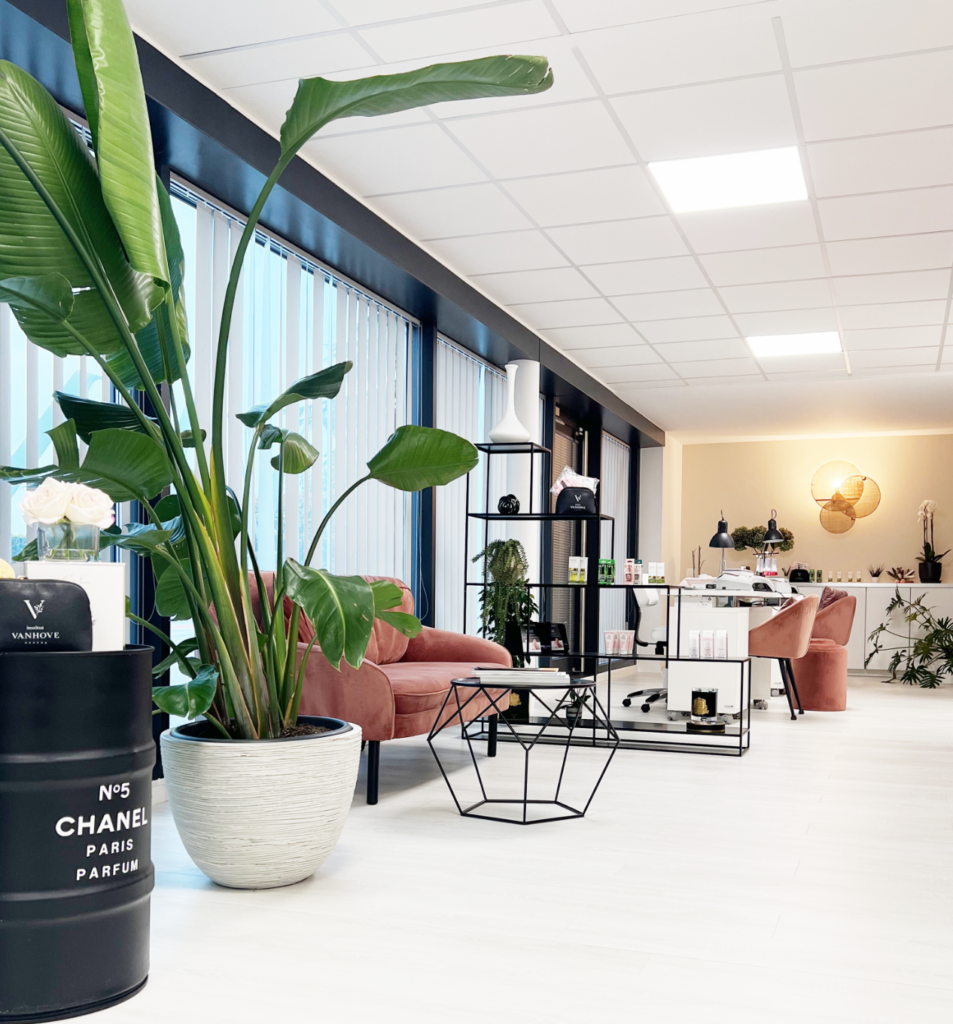
The 6 key levers for an effective sales area
1. The customer journey: seamless, intuitive, strategic
It is not a question of "filling" a space, but of designing a journey:
-
Clear and attractive entry point
-
Areas of discovery, focus, comparison
-
Unobstructed traffic flow
-
Accessible, visible, but non-intrusive point of sale
💡 Example: in a clothing store, use floor mats to naturally guide traffic and organize flow without partitions.
2. Product zoning: visual and functional hierarchy
Not everything is equal: zones must be created for:
-
product focus (new products, high margins)
-
free exploration (to create enjoyment and time on site)
-
comparison (similar products grouped together to help you decide)
-
quick sale (best-selling products, prominently displayed, easy to take away)
Each zone is designed with your business objective in mind, not just stock logic.
3. Lighting: reveal, enhance, direct
-
Highlight textures, colors, and details
-
Avoid shadows cast on products
-
Create visual focal points
-
Giving rhythm to space
💡 In a concept store, incorporate three types of lighting: soft ambient lighting, directional spotlights on products, and soft backlighting on shelves to create a feeling of volume and warmth.
4. Furniture: ergonomics + modularity
Well-chosen furniture:
-
places the product at the correct height,
-
respects comfortable distances,
-
invites you to touch or try,
-
adapts to changes in collections.
Too many stores invest in "attractive" but inflexible furniture that is unsuitable for changing customer flows or evolving products.
💡 For a modern bookstore, I designed modules on wheels that allow the space to be reconfigured according to the seasons or events: readings, launches, book signings.
5. The atmosphere: what remains when you forget the decor
The atmosphere is the sum of sensory experiences: sounds, materials, temperature, smells, volume, and emotional feelings.
A customer doesn't just buy a product—they buy an experience.
🎯 Creating the right atmosphere makes the act of purchasing memorable.
💡 In a cosmetics store, create an atmosphere with light wood, soft stone, and warm lighting, accompanied by subtle nature sounds in the background. The result: customers stayed 2 to 3 times longer.
6. The link with your brand identity
Your sales area is a physical extension of your brand universe:
-
What is he talking about?
-
What values does it convey?
-
Is it aligned with your target audience?
The biggest danger? Copying and pasting from a "pretty Pinterest showroom" that is inconsistent with your DNA.
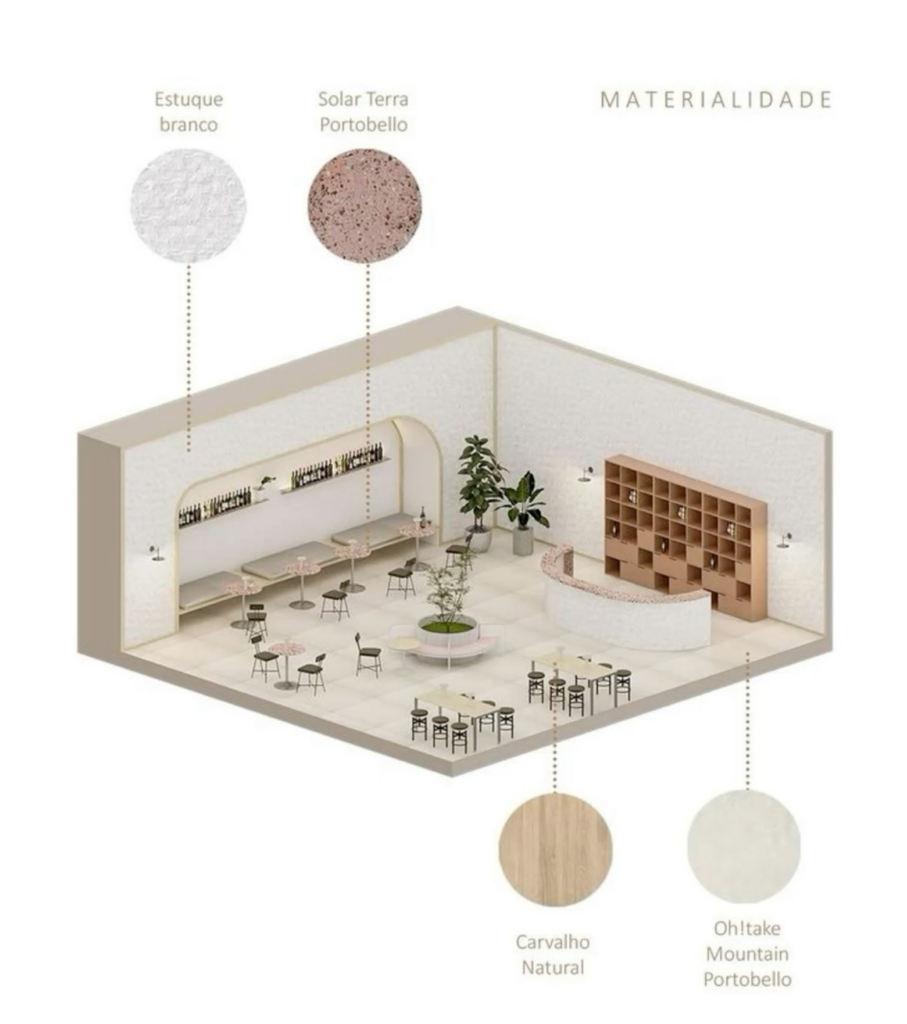
In conclusion: aesthetics alone are not enough. A spatial strategy is needed.
Yes, your space can (and should) be beautiful.
But it must also be designed as a tool: for conversion, reassurance, seduction, and loyalty.
And that's where my role begins:
Translate your business objectives, brand image, and practical constraints into a space that works for you.
📩 Are you opening a store? Would you like to improve your existing space without completely redoing it?
Call on Fredricks Design a comprehensive assessment and concrete solutions that are both attractive and effective.