In design, as in society, the norm has long dominated.
Space was thought to be for a "typical" person: mobile, focused, sociable, at ease with stimulation, transitions and codes.
But this vision does not reflect reality.
Today, neurodiversity is increasingly recognized: a way of thinking about brain function as a spectrum, not as a straight line.
Autism, ADHD, dyslexia, sensory hypersensitivity... These cognitive differences are not "disorders" to be corrected, but functions to be taken into account.
And as an interior designer, I believe our role is to design spaces that are inclusive, safe and soothing for all neurocognitive profiles.

What is neuroinclusive design?
It's a design approach that anticipates the sensory, cognitive and emotional needs of neurodivergent people, without waiting for them to ask.
A neuro-inclusive space:
reduces sensory overload,
makes it easy to understand and logical,
respects individual rhythms,
and offers areas for retreat or refocusing, without stigmatizing.
It's not a "special design". It's a smarter, gentler, more welcoming design for all.
Why is this important - and for whom?
This approach is being used in more and more places:
Offices (where open spaces can be violent for certain profiles)
Schools, nurseries, libraries
Public reception areas: administration, museums, clinics
Family housing: for children or adults with autism, ADHD or hypersensitivity
Shops and restaurants: where noise, contrasts and crowds can be disorienting
According to studies, 15-20% of the world's population is neurodivergent.
And many other people (elderly, anxious, tired, with transient disorders...) also benefit from these more serene environments.
In concrete terms: the principles of a neuro-inclusive space
Here are the areas I take into account in my projects:
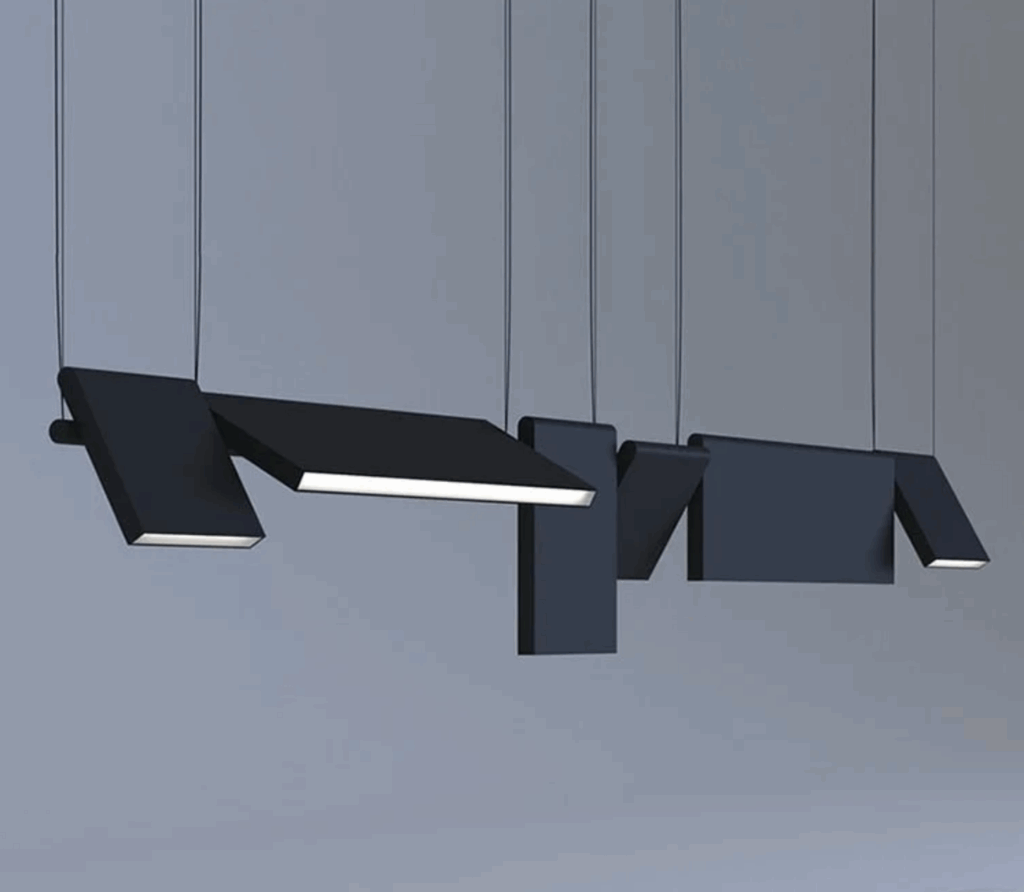
1. Light: soft, adjustable, non-aggressive
Avoid cold LEDs, neon lights and reflections on shiny surfaces
Choose filtered natural light, warm colors and indirect lighting.
Provide dimmers or different lighting scenes
Anticipate transitions (from shadow to light, from indoors to outdoors)
For example, in a shared office, I integrated adjustable wall lamps on each workstation, so that everyone can adapt their visual comfort.
2. Acoustics: reducing noise pollution
Isolate quiet zones from busy areas
Integrate absorbent panels, carpets, thick curtains
Avoid reverb effects or looped music
Quiet zones accessible to all
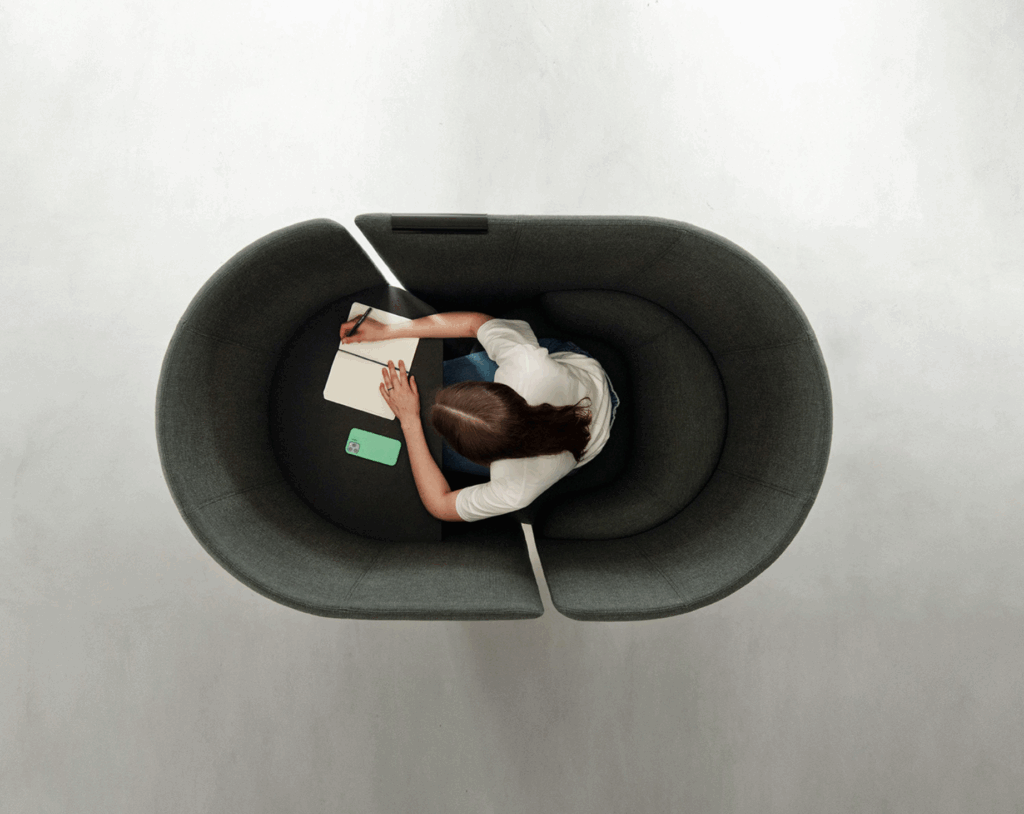
In a meeting room opening onto a hall, I worked with textile wall panels to absorb sound while adding a soft decorative touch.
3. Clear routes: easy, predictable orientation
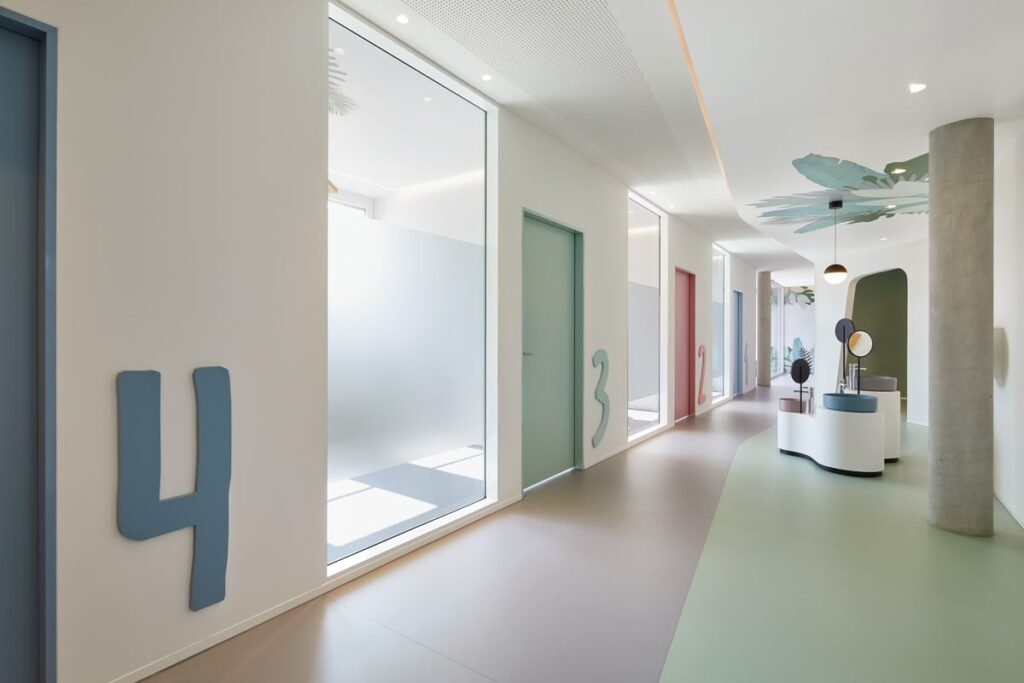
Avoid labyrinthine corridors or abrupt style changes
Create visual cues (colors, materials, rhythms)
Integrate consistent, well-positioned signage
Making "break" or "refuge" spaces visible
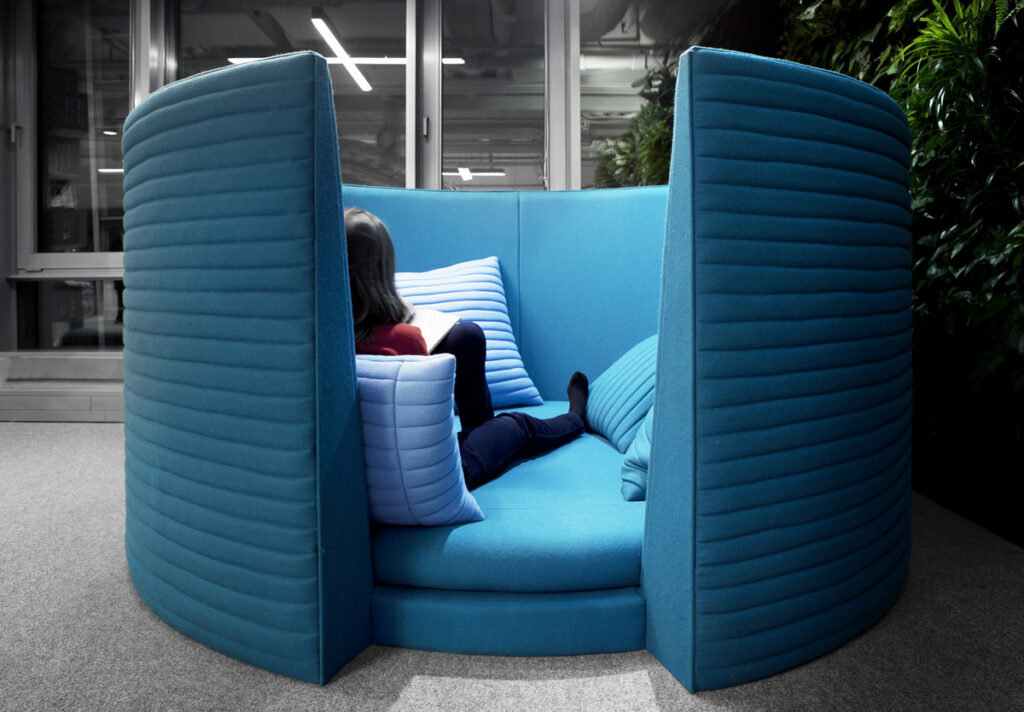
In a media library, I used a deep blue hue to indicate all the rest areas: armchairs, alcoves, reading corners - visible from the entrance.
4. Managing stimuli: dosing without overloading
Avoid overly bright patterns or sharp contrasts
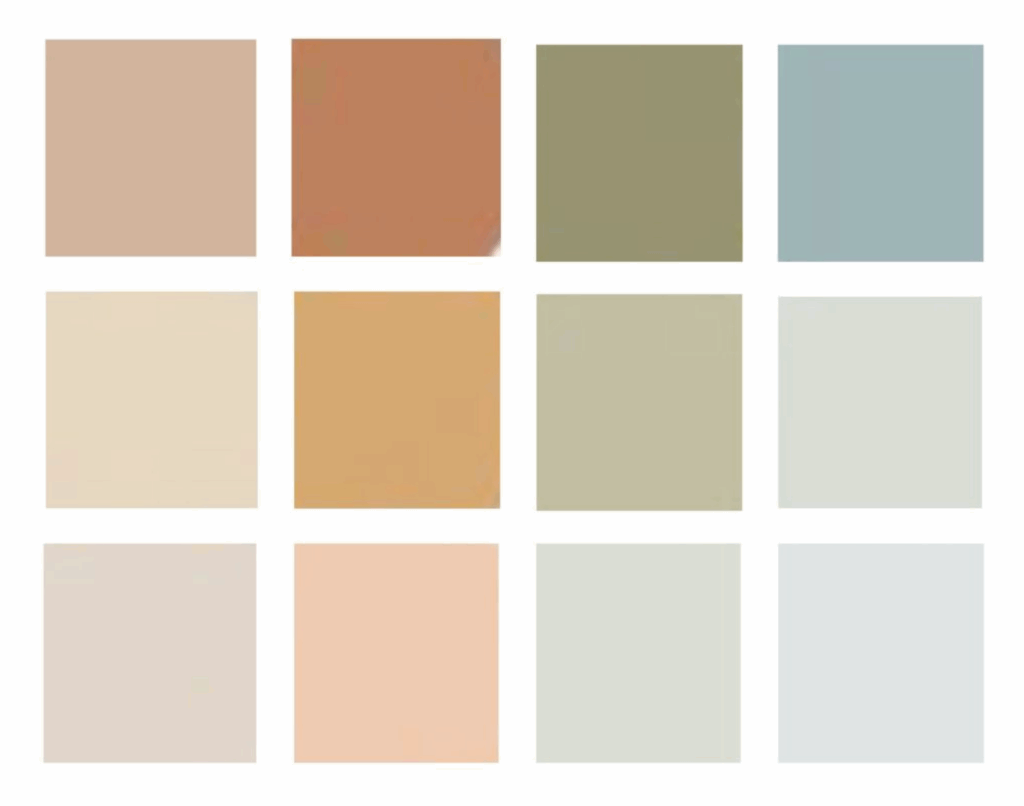
Work with soothing, natural, modulated palettes
Neutral" or breathable walls
Choose materials that are pleasing to the touch and to the eye
In a children's area, I've alternated more colorful play zones with quiet corners, with soft floors and walls, so that everyone can choose their own atmosphere.
5. Fallback/self-regulation zones
Create corners where you can refocus without being "excluded
Provide semi-enclosed spaces, individual seating, nooks and crannies
Offer soothing elements (textures, cushions, blankets, plants, etc.)
In a nursing home, I designed an alcove with curtain, carpet and subdued light, intended as a "sensory break" for residents who needed it.
More human design, for everyone
Inclusive design is not a "bonus" or a "gesture".
It's an approach that makes space fairer, calmer and more accessible to all - without ever sacrificing aesthetics.
And it is this conviction that guides my practice:
Design places that respect differences, support real needs, and allow everyone to feel safe - without ever having to ask.
If you're in charge of a public place, a workspace, or if you want to adapt your home for a loved one, design can be an invaluable ally.
What if we rethought the space as a place for care - not just style?
Contact me to think together about sensitive, practical and beautiful solutions.
I can help you create more inclusive, calmer, truer places .