We often think we need more space.
More square meters. More rooms. More storage.
But as an interior designer, I can tell you: it' s not the size that counts - it's what you do with it.
Optimizing space doesn't mean filling it up at all costs.
It means making every square meter useful, fluid and pleasant, without sacrificing comfort or aesthetics.
Here's how I'm revealing the potential of your interior, without breaking the walls (and without emptying your bank account).
Step 1: Understanding real needs
Before proposing anything, I always start by asking this simple question:
"How do you experience this space today - and what do you really miss?"
Very often, the answers do not concern size:
"We don't know where to put things when we get home".
"I'd like a quiet place to read".
"We always seem to be in a mess".
🔑 Optimizing starts with listening to real life, not applying off-the-shelf solutions.

Step 2: rethink the function of the premises
A space doesn't have to be big to be well thought-out.
But it does have to be clearly defined.
A 2m² hallway can become ultra-functional if it contains a bench, well-placed coat hooks and a slim piece of furniture.
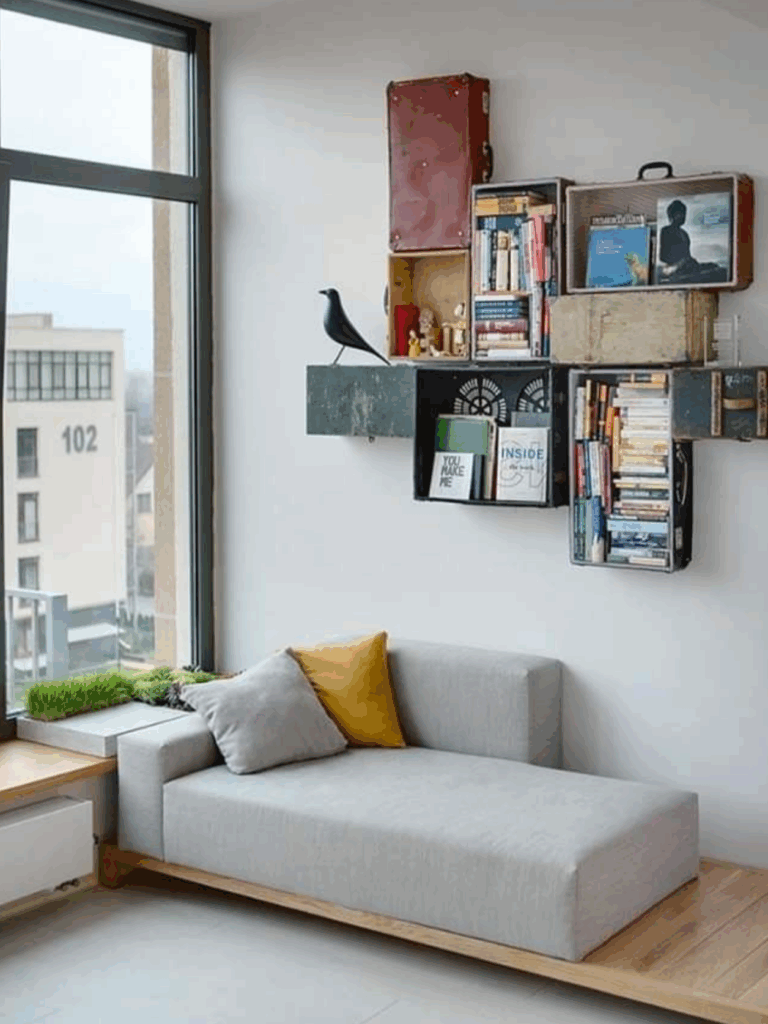
A 15m² living room can accommodate a real library, a games corner and comfortable seating if it's zoned intelligently.
A master bedroom can accommodate an office area or dressing room without weighing everything down, with the right volumes.
🎯 The challenge is not to add, but to clarify.
Step 3: modulate without enclosing
Optimizing does not mean compartmentalizing.
Often, on the contrary, it means restoring fluidity.
Use an openwork screen instead of a wall
Create visual zones using color, light or flooring
Play with furniture heights to structure without cutting
✨ A good space is legible without being rigid.
Step 4: choose the right furniture (and the right scale)
This is one of the most underestimated points:
Disproportionate furniture can suffocate a space.
A table that's too big gets in the way
A badly placed sofa blocks the light
Too many small elements create a sense of clutter
🔎 Optimizing means choosing furniture that fits in with the actual volume of the space.
Step 5: Take care of the details that make all the difference
An optimized space is not a cold or minimalist space.
It's a place where every element has meaning.
Well-placed light for visual enlargement
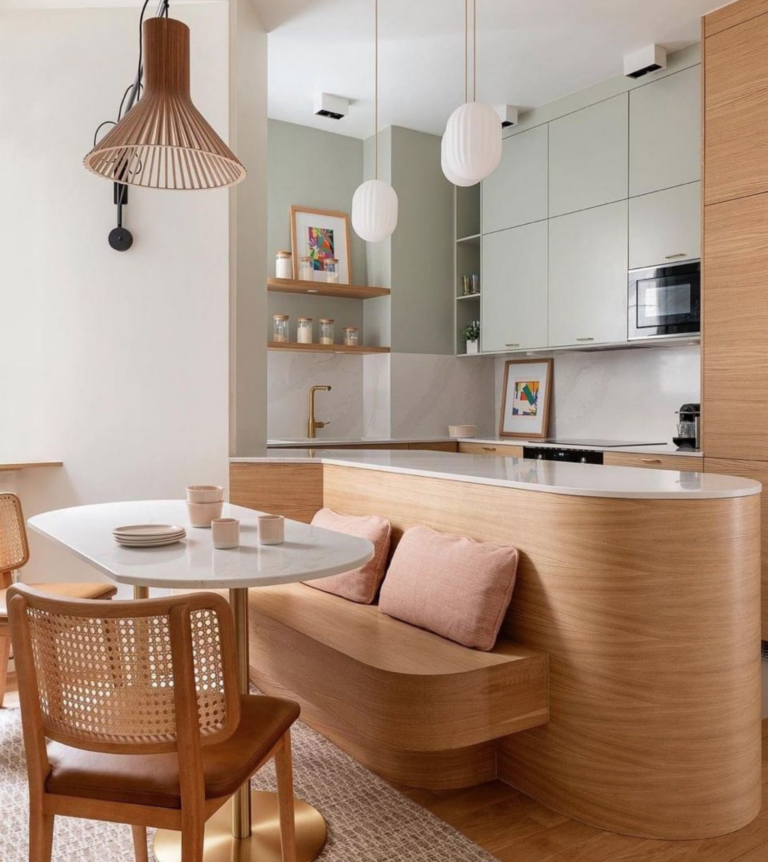
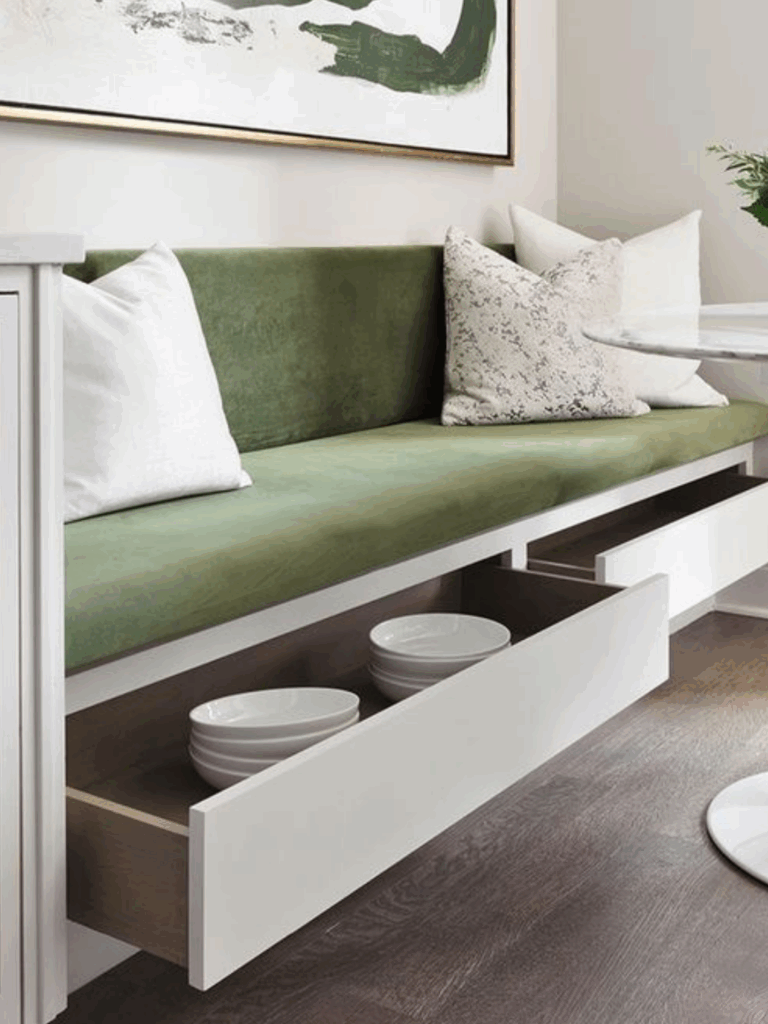
Built-in storage to save space
Color for depth
A mirror that captures natural light
🌿 It's often the small adjustments that create the biggest change.
Better living doesn't have to mean bigger living!
You don't always have to move to live better.
Sometimes, you just have to rethink the space you have, methodically, accurately and carefully.
That's what I do every day:
Create interiors that breathe, that support daily life, that make you want to stay.
An optimized interior is not a constrained space.
It's a liberated space.
Do you feel that your interior no longer works, but you don't know where to start?
I'll take you step by step to reveal the potential of your spaces, without sacrificing style or comfort.