Antique vintage
We hear a lot about the "vintage" trend, but everyone has their own definition of this word (which, by the way, comes from oenology, not decoration). It's all very confusing!
Are all antique objects considered "vintage"? For purists, "vintage" refers only to those dating back no more than fifty years. Today, however, the trend has expanded to include (much) older items (antiques, you might say).
And, in fact, what's important when decorating is not the age of a piece of furniture or object, but that, through their conception, the quality of their materials and their design, they can enter into harmony with our contemporary interiors. Their old-fashioned, lived-in fragrance will add a much-appreciated touch of warmth. What's more, it creates a lovely mix!
At the same time, these "antique vintage" objects are witnesses to an era, and each has a story to tell. Here are just a few of them!
A house steeped in history.
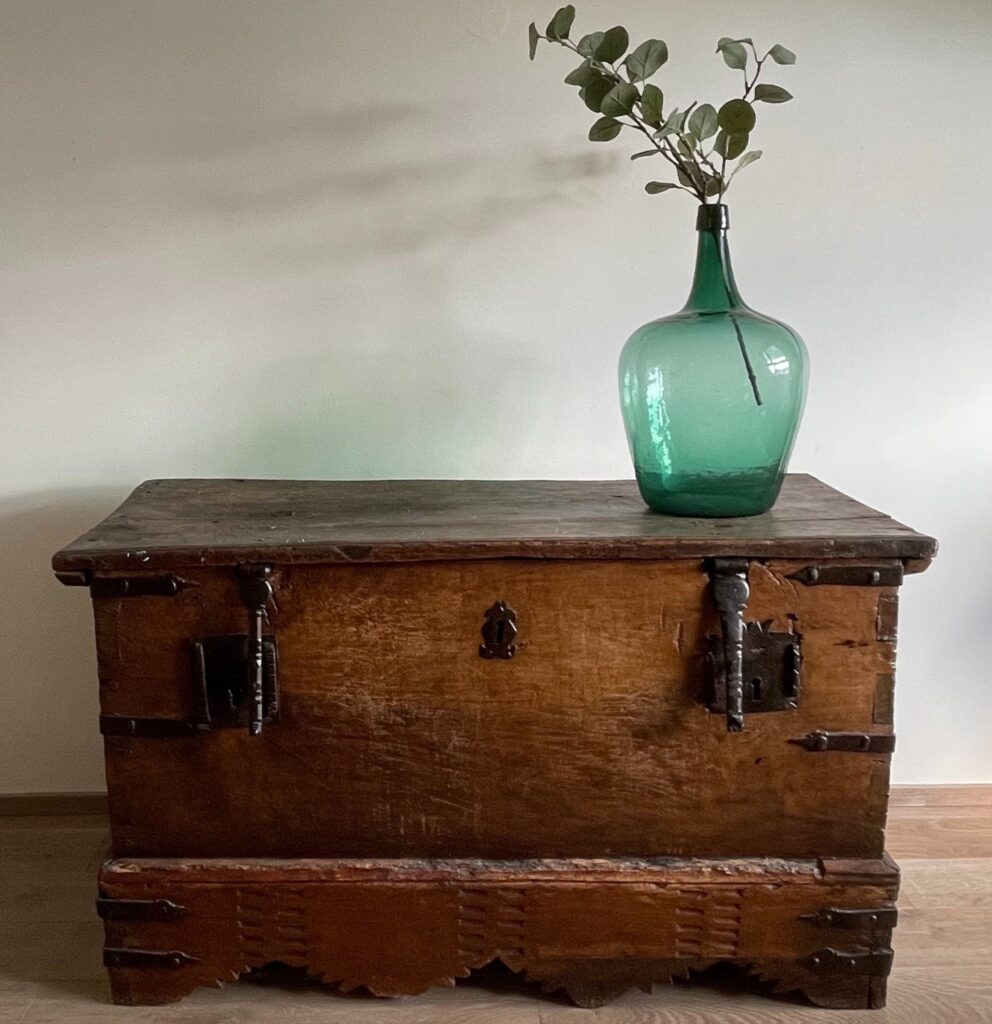
This incredible walnut sideboard dates from the late 17th or early 18th century, and is of Catalan origin. This type of chest is known in Spain as the "chest of three keys".
This was the former vault of town halls or councils, where aldermen kept the most valuable documents, sometimes even money. A key was entrusted to each council official: the mayor, secretary and treasurer. Thus, the safe could not be opened without the presence of all three key-holders.
At the end of each term of office, the keys were handed over to their successors, and it was checked that nothing was missing when the mayor was replaced. In this way, the contents of hundreds of documents, letters and royal orders were secured and preserved.
Ah! La Dame Jeanne!
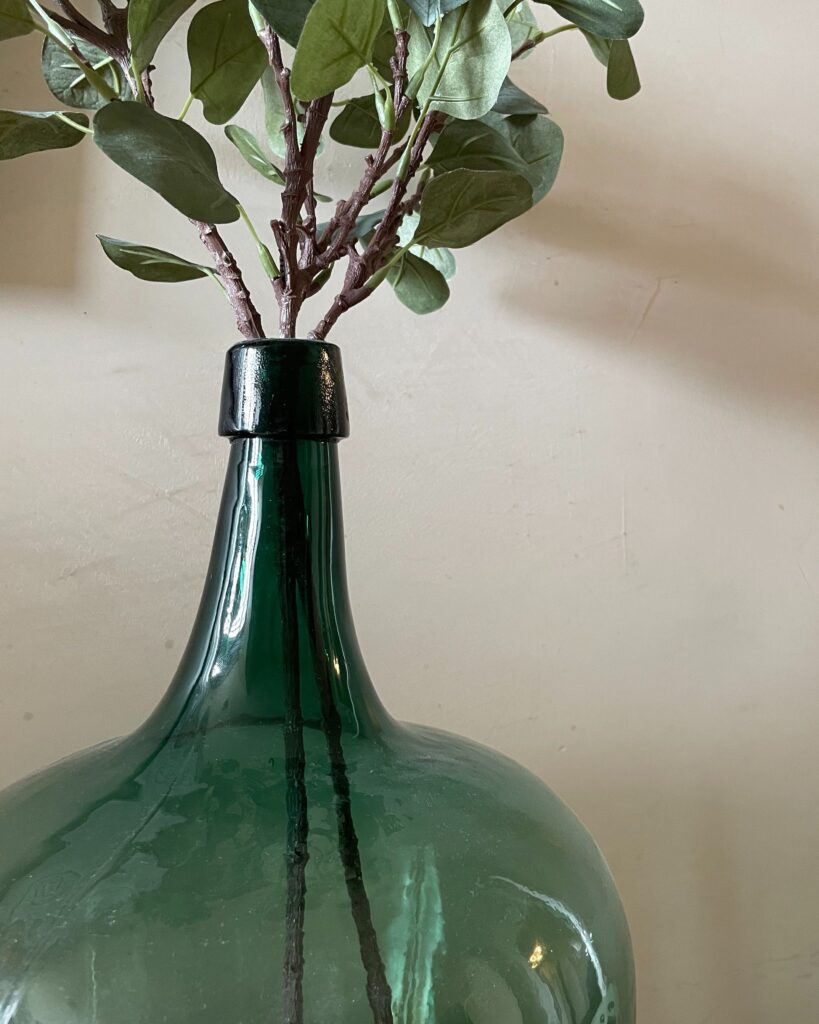
The name was given to this large glass bottle in 1372, when Queen Joan, driven from her kingdom in Naples in the midst of a storm, took refuge in the castle of a glassmaker who was, according to legend, so overwhelmed by her presence that he double-blasted his cane and unwittingly created a large bottle which he named "Dame Jeanne" in honor of the queen.