What I see before colors, materials or furniture
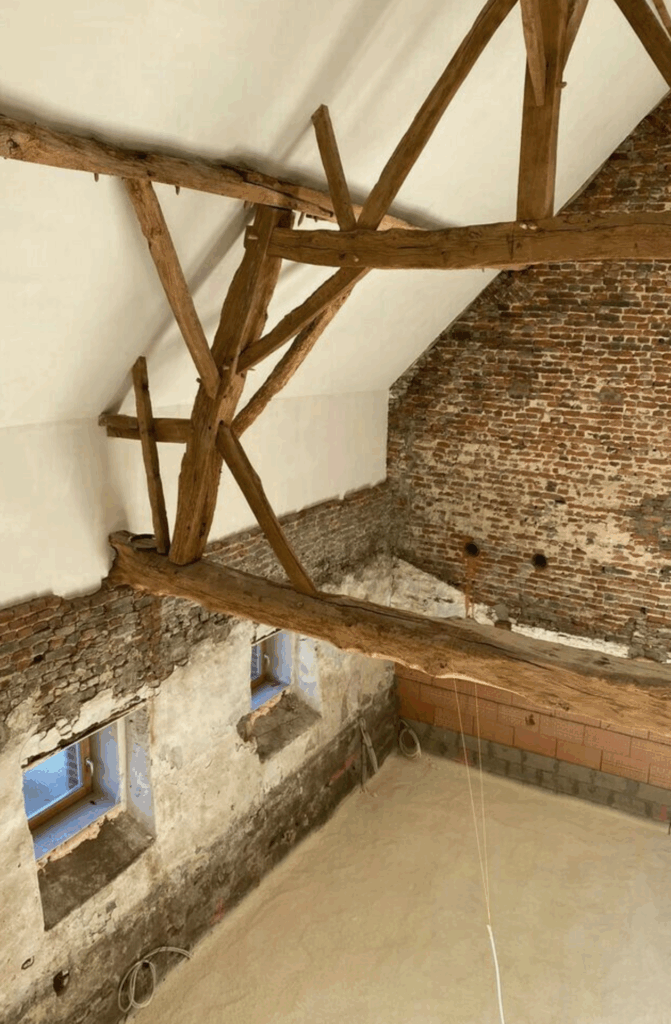
When we think of interior architecture, we often imagine colors, textures and decorative objects. But the very first thing I observe in a space is its volumetry.
Because that's where it all begins.
Volumetry is the architecture of emptiness. It's what gives structure to a space long before any furniture has been installed. And it's what transforms a static interior into a fluid, living, inhabited space.
What exactly is volumetry?
It can be defined as the ratio between the volumes of a space:
ceiling height,
full and empty,
visual breakthroughs,
the way eyes and bodies move.
It's not a question of square meters, but of spatial feeling.
A 30 m² living room can seem oppressive. A 10 m² bedroom can seem to breathe.
The difference? It often lies in the way volumes have been designed.
Why is this so important?
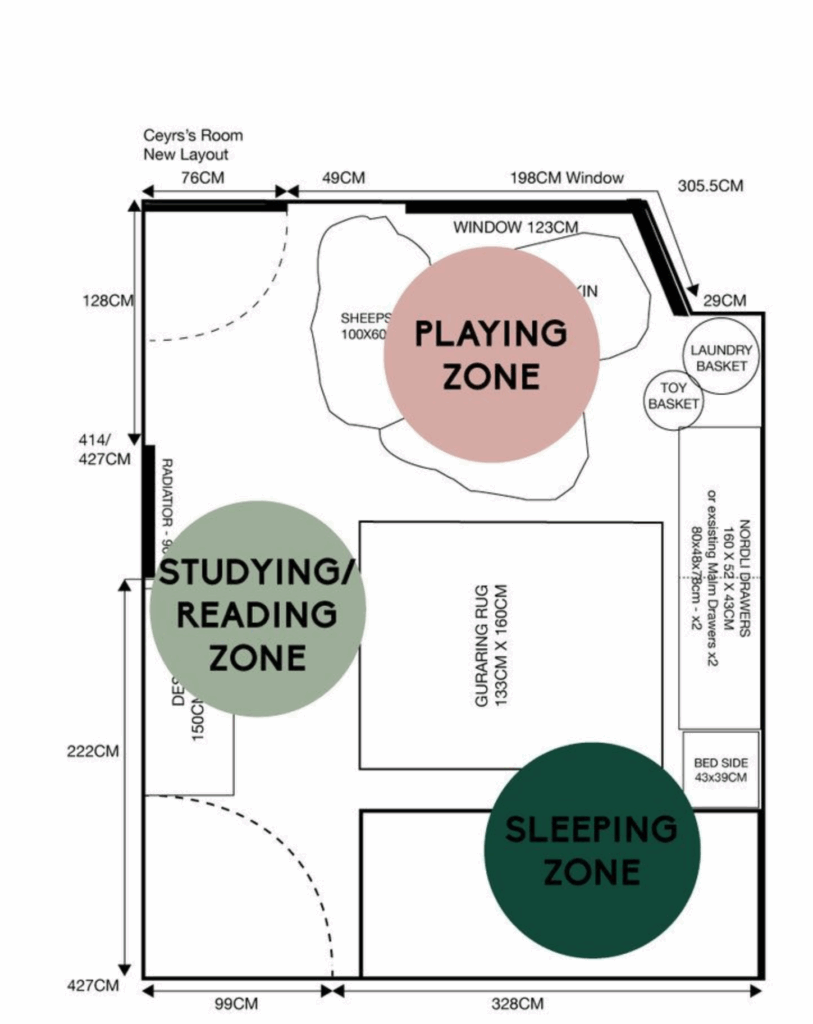
Volumetry is what makes it possible to :
Prioritize room functions (eating, relaxing, working...)
Giving rhythm to a large open space
Creating bubbles of intimacy without compartmentalizing
Enhance one architectural feature or soften another
And above all: offer mental comfort
We feel good in a space that "just happens", even if we don't know why.
This is what volumetry produces: a subtle balance between breath and structure.
What I look for in a project.
As soon as I discover a place, I do a 3D reading:
Ceiling height: how to use it, live with it, or rebalance it?
Vanishing lines: where is the eye naturally drawn to? Can we frame it?
Traffic flow: are there areas of friction or congestion? Can they be made more fluid?
The full/empty balance: a bare wall can be calming, but a poorly managed empty space can be destabilizing.
The proportion of furniture: a sofa that is too large can "overwhelm" a space - just as a tiny hanging lamp can "lose" a high ceiling.
What you can do without breaking everything.
It's often imagined that playing with volumes requires a great deal of work. But it doesn't have to be. Here are a few simple yet powerful interventions I regularly propose:
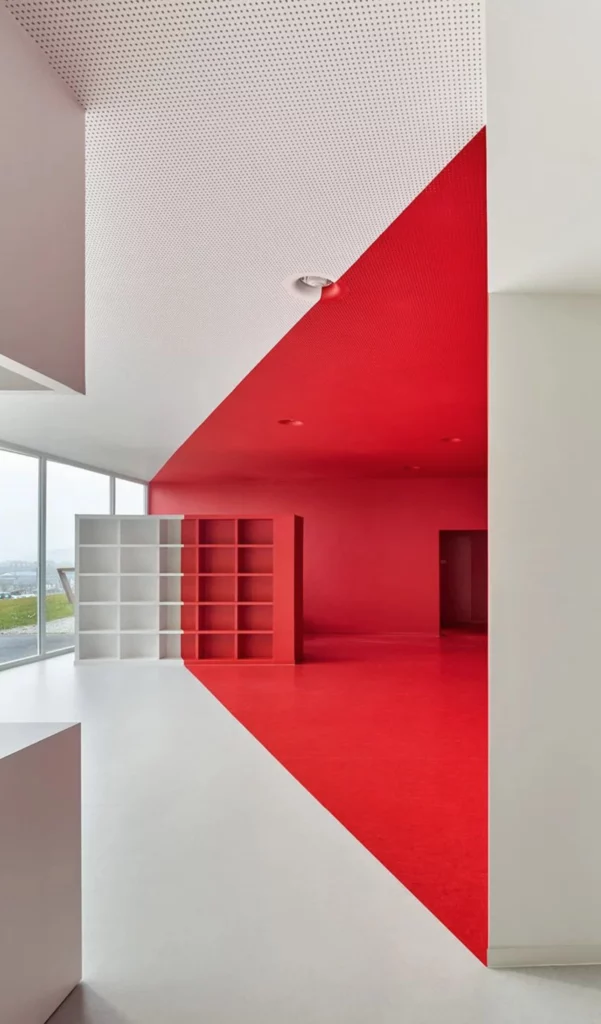
Create a lowered ceiling effect (by painting or hanging) to warm up a large room
Introduce a visual rhythm with screen walls, open shelves and variations in levels.
Work walls as dynamic vertical surfaces: baseboards, play of frames, colored bands
Design intelligent visual openings: between kitchen and dining room, for example.
Illuminate the right volumes: with well-placed hanging lights, indirect LEDs, or low-angled lighting.
My job is first and foremost to think about space
Before talking about styles or trends, I think about volume.
How to inhabit it, sculpt it, reveal it.
A good interior design project never begins with a "Pinterest mood". It starts with a reading of the volume of the space, its potential, its anchor points.
Because a well-designed space is one where you can breathe, move around, find your bearings and feel at home.
Looking for a breath of fresh air inside?
I'll help you rethink your spaces, without necessarily transforming everything.
Sometimes, all you need to do is work intelligently with volumes to change everything.